Maldives in March: weather, Eid and what to expect
March ends the dry season: hot, sunny days, calm clear seas and the first surf swells. In 2027 it also brings Eid al-Fitr and Easter crowds. Here’s what to expect.
 By Dhiffushi Island Council7 min readUpdated
March is one of the best months to visit the Maldives: it is the last month of the dry northeast monsoon, with long sunny days and mostly calm, clear seas. It is also getting hotter, the first surf swells start to arrive, and in 2027 the month opens with the end of Ramadan and the Eid al-Fitr holiday, expected around 9 or 10 March. It is still peak season, so book rooms and boat transfers early.
Maldives weather in March
March is the final month of the northeast monsoon, which the Maldives Meteorological Service calls the dry season (January to March). April is a transition month, and the wetter southwest monsoon usually arrives in mid-May.
What that means on the ground:
- Sunshine: the Met Service gives 10 to 11 hours of sunshine a day for January to March, against 7 to 9 hours in the other months.
- Heat: the Met Service says the warmest part of the year runs through March and April until the southwest monsoon arrives. Expect air temperatures of around 30 to 31°C by day, inside the official range of 25 to 32°C, with warm, humid nights.
- Rain: usually little. When it comes, it tends to be a short shower followed by sun. Late in the month, as the winds begin to shift, an odd squall becomes a little more likely.
- Wind: generally light. As the north-easterly breeze fades, middays feel stickier.
Weather varies from year to year, so treat this as a tendency. For the whole year at a glance, see the best time to visit the Maldives.
The sea in March
The sea is at its friendliest in the dry season. In March you can usually expect:
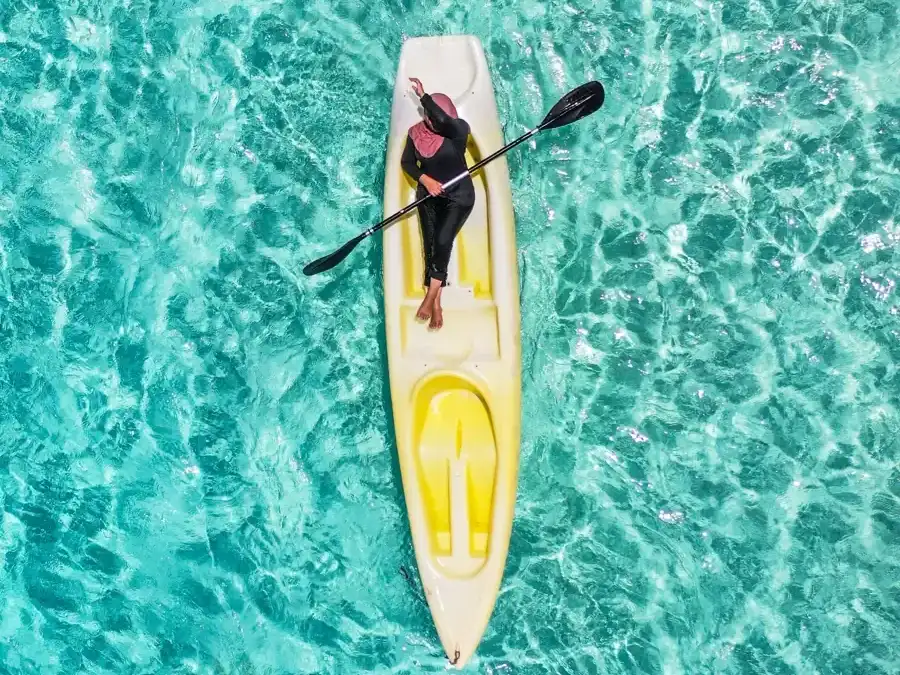
- Calm lagoons and clear water, good for snorkelling straight from the beach and for sandbank trips.
- Warm water, around 28 to 29°C. Most people snorkel without a wetsuit; a rash vest is for the sun, not the cold.
- Good underwater visibility on most days, with little rain run-off and light winds.
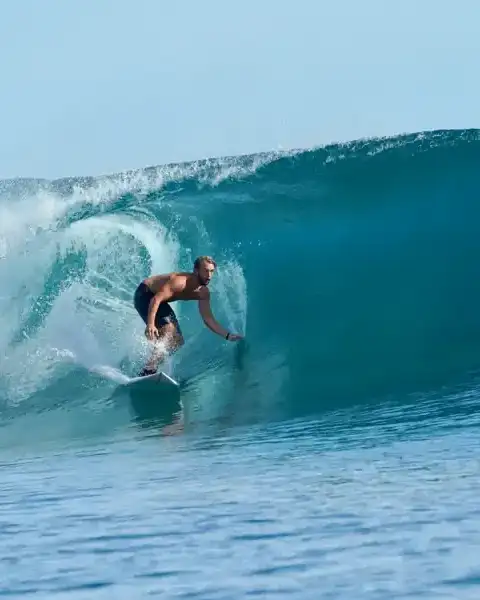
- The first southern swells. Surf forecasters generally put the start of the surf season around March, with smaller waves than in mid-year. Some days the outer reefs are flat; on others there is a clean, rideable swell.
Marine life
Manta rays and whale sharks are not seasonal in a simple way. Research by the Manta Trust shows mantas tend to gather on the western sides of the atolls during the northeast monsoon and on the eastern sides in the southwest monsoon. The South Ari Marine Protected Area is one of very few places in the world where the Maldives Whale Shark Research Programme records whale sharks all year. No sighting is guaranteed. Keep at least 3 metres away and never touch.
What’s on in March 2027
The last days of Ramadan
Ramadan 2027 is expected to begin around 8 February, so the first week or so of March is still the fasting month. On local islands, daily life slows in the heat of the day and comes alive after sunset, when families break the fast together. Visitors should not eat, drink or smoke in public in daylight on local islands. Guesthouses still serve guests, usually indoors or in a private area. Resorts carry on as normal.
Eid al-Fitr, around 9 or 10 March
Eid al-Fitr marks the end of Ramadan. Based on astronomical projections, it is expected around 9 or 10 March 2027, but the exact day depends on the sighting of the new moon and is only confirmed shortly before. It is a public holiday of several days, and the government sometimes adds extra days.
What you may notice as a visitor:
- Eid morning prayers at the mosque, with families in new clothes.
- Visits between houses, with food and sweets shared around the island.
- Busy boats. Many Maldivians travel home to their islands, so speedboats fill up and public ferries may run a holiday schedule.
- Closed offices and banks. Government offices shut, and banks close or open only for limited hours. Get some rufiyaa in advance.
Our festivals and public holidays guide covers all the 2027 dates.
Easter
Easter Sunday is on 28 March 2027. Easter school holidays in Europe often bring a rush of family bookings in late March and April, so expect the last week of March to be busy, even on local islands.
Crowds and prices in March
March sits inside the peak season, which runs roughly from December to April. In general:
- Early March can feel a little quieter than February, but flights and rooms are still in demand.
- Around Eid, shared speedboats and island guesthouses can book up with Maldivian travellers.
- Late March gets busier again with European Easter holidays.
Prices are usually higher than in the wet season. If you are watching costs, book early, compare dates either side of Eid and Easter, and remember that taxes are added on top of room rates: Tourism GST of 17% and a green tax of USD 6 per guest per night at smaller guesthouses on local islands.
Things to do in March
- Beach days. Long, dry days suit slow mornings on a bikini beach. Go early or late; the midday sun is fierce.
- Snorkelling. Calm water and good visibility make house reefs and boat trips easy. See snorkelling in the Maldives.
- Diving. Clear water makes March a favourite month for divers. Strong currents can still run through the channels, so dive with a local operator who knows the site. See diving in the Maldives.
- Early-season surf. Smaller, friendlier waves and quieter line-ups suit intermediate surfers. Check a forecast before you go. See surfing in the Maldives.
- Sandbanks and island hopping. Calm seas mean smoother rides.
On a local island in March: Dhiffushi as an example
Dhiffushi sits on the eastern rim of North Malé Atoll, about 37 km north-east of Malé and 40 to 50 minutes by shared speedboat from the airport. It is the easternmost inhabited island in the country, so it sees the Maldives’ first sunrise. In the dry season, clear dawns are more likely, and March mornings are the coolest, calmest part of the day.
If you arrive in early March, you will see the end of Ramadan on a small island: quiet afternoons, busy evenings and a real lift in mood as Eid arrives. Our guide to visiting Dhiffushi during Ramadan explains how meals, opening hours and boats work at that time.
March is also when the island’s surf season begins. Dhiffushi has no break of its own, but the North Malé surf reefs are a boat ride away; see surfing near Dhiffushi. For the island’s own calendar, read the best time to visit Dhiffushi.
Two practical notes for any local island: the MTCC public ferry does not run on Fridays on most routes, and around Eid every boat can be full. Book your transfer early and leave a spare half-day before your flight home.
What to pack for March
- Strong reef-safe sunscreen, a hat and sunglasses. March is one of the hottest, sunniest months.
- Light, loose clothes that cover shoulders and knees for walking around a local island, especially during Ramadan and Eid.
- A rash vest for long snorkelling sessions in strong sun.
- A refillable water bottle. You will drink more than you expect in the heat.
- Some rufiyaa in cash before the Eid holiday, when banks may close.
Coming earlier or later? Read the Maldives in February or the Maldives in April.
Questions people ask
Is March a good time to visit the Maldives?
Yes. March is the last month of the dry northeast monsoon, with 10 to 11 hours of sunshine a day according to the Maldives Meteorological Service, calm seas and good visibility. The trade-offs are rising heat and peak-season prices. In 2027, Eid al-Fitr and Easter both fall in March, so boats and rooms can be busier around those dates.
What is the weather like in the Maldives in March?
Hot, sunny and mostly dry. Daytime temperatures are usually around 30 to 31°C, and the Met Service counts March and April among the warmest months of the year. Rain is usually limited to short showers. Winds are generally light, so the sea is often calm, though the odd squall becomes more likely towards the end of the month.
When is Eid in the Maldives in March 2027?
Eid al-Fitr is expected around 9 or 10 March 2027, based on astronomical projections. The exact date depends on the sighting of the new moon and is confirmed only shortly before. It is a public holiday of several days. Expect closed offices and banks and busy boats, so carry cash and book transfers early.
Can I visit a local island during Ramadan in early March?
Yes. Guesthouses stay open and serve meals to guests, usually indoors or in a private area. On local islands, avoid eating, drinking or smoking in public during daylight. Some cafés open only after sunset, and evenings are lively. Ramadan 2027 is expected to end with Eid al-Fitr around 9 or 10 March.
Is March a good month for surfing in the Maldives?
It can be. Surf forecasters generally put the start of the season around March, with smaller, cleaner waves and quieter line-ups than in June to August. That suits intermediate surfers, but some days are flat. Check a surf forecast in the week before you travel, and stay on an island close to the breaks you want.