


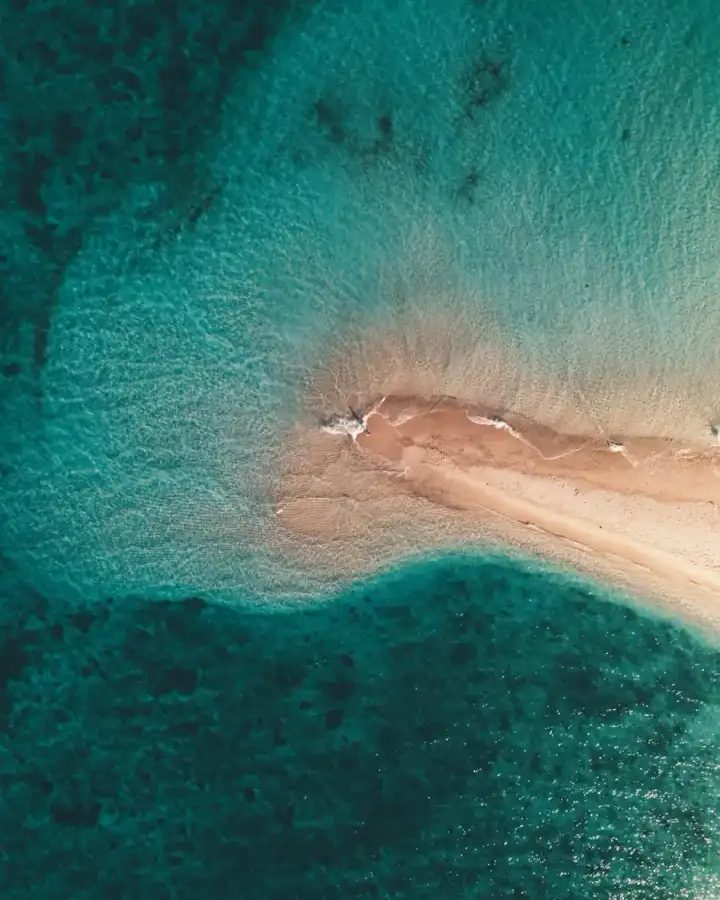
Faafu Atoll guide: a small atoll off the beaten track
A quiet central atoll with five local islands, one of the oldest mosques in the Maldives and almost no crowds. How to reach Faafu, where to stay and what to expect.
 By Dhiffushi Island Council8 min readUpdated
Faafu Atoll is a small, quiet atoll a little over 100 kilometres south-west of Malé, with five inhabited islands, one resort island and a population of around 5,000. It has no airport yet, few visitors and a deep history: Nilandhoo, its largest island, holds one of the oldest mosques in the country and the remains of temples older than Islam in the Maldives. Come here for slow island life, not for a packed itinerary.
Faafu at a glance
Faafu is the administrative name. The natural atoll is North Nilandhe (Nilandhe Atholhu Uthuruburi), and its sister atoll to the south, across a narrow channel, is South Nilandhe, which is Dhaalu. The letter code you will see on boats, addresses and ferry timetables is “F”, so Nilandhoo is written “F. Nilandhoo”.
- Islands: five inhabited islands (Maldives atolls guide).
- People: the Maldives Bureau of Statistics atoll profile gives a resident population of about 5,400 in the 2022 census, including staff living on resort and other non-inhabited islands. Around 5,000 live on the five local islands.
- Largest island: Nilandhoo, with roughly 1,800 residents in 2022. The government has named it one of seven planned urban centres, and it is home to Faafu Atoll Hospital.
Since atoll councils were abolished in May 2026, each inhabited island is run by its own island council. You may still see older sources call Nilandhoo the atoll “capital”; it is simply the largest and best-served island.
Where Faafu is
Faafu sits in the central Maldives, south of Alif Dhaal (South Ari) and west of Vaavu and Meemu. From Velana International Airport it is roughly 110–130 km as the crow flies, across open ocean channels. That distance, and the lack of an airport so far, is the main reason Faafu has stayed off the beaten track.
Local islands, A to Z
Faafu has five inhabited islands. The Ministry of Tourism’s register of guesthouses (checked October 2026) lists guesthouses on three of them: Feeali, Magoodhoo and Nilandhoo. Numbers are small, a handful of places in total, so book ahead and confirm any guesthouse is on the ministry’s register.
Bileddhoo
Also spelled Bilehdhoo. Just under 1,000 people. No registered guesthouses were listed when we checked, so treat it as a day visit.
Dharanboodhoo
The smallest of the five, with a few hundred residents and no registered guesthouses at the time of writing.
Feeali
Around 900 people and two registered guesthouses: small, with a little tourism already in place.
Magoodhoo
About 700 people and at least one registered guesthouse. Magoodhoo has been the site of a government airport project (see below), so expect building work around the lagoon.
Nilandhoo
The largest island, with the hospital, schools, several registered guesthouses and the atoll’s most important heritage site. It is the natural base for a first visit.
For how local islands work in general, read our Maldives local islands guide and local island or resort?.
Heritage: the old mosque and the temple mounds of Nilandhoo
Nilandhoo’s old Friday mosque, often called Aasaari Miskiy, is widely described as the second-oldest mosque in the Maldives. It is linked to Sultan Mohamed Ibn Abdullah, who ruled soon after the country converted to Islam in 1153, and it is built from dressed coral stone with carved woodwork inside. Its graveyard holds old carved headstones. The National Centre for Protection of Cultural Heritage treats it as protected heritage, and damaging heritage sites is an offence under the National Cultural Heritage Act.
The mosque stands on, or right beside, much older ground. In 1983 and 1984 a Norwegian team led by Thor Heyerdahl excavated a mound (havitta) on Nilandhoo, working with the Maldivian government, and found the foundations of pre-Islamic religious buildings. Experts still debate how to read them. Most scholars link them to the Buddhist period of Maldivian history, while some of Heyerdahl’s wider theories have not held up.
If you visit:
- Ask the island council or the mosque caretaker before entering, and visit outside prayer times.
- Dress modestly, with shoulders and knees covered.
- Never touch or move headstones.
- Do not dig, collect or buy anything that looks old. It is illegal to remove cultural finds.
See also historical sites of the Maldives, the coral stone mosques and history of the Maldives.
Getting to Faafu
There is no operating airport in Faafu yet, so plan your trip by sea or via a neighbouring atoll.
By speedboat or local boat from Malé
Most visitors arrive by speedboat from Malé or the airport, usually arranged through their guesthouse. The crossing is long and over open water, and in the southwest monsoon (about mid-May to November) boats can be delayed or cancelled. Allow a buffer day before your flight home.
Via Dhaalu Airport
Dhaalu, the neighbouring atoll to the south, has a domestic airport on Kudahuvadhoo with scheduled flights from Velana. From there you would continue by boat. Ask your guesthouse whether this works with their transfers before booking. Our guide to seaplanes and domestic flights explains how domestic flying works.
Airport projects
The government handed the Nilandhoo airport project to Maldives Airports Company Limited in September 2025, with a 30-month build period, and land reclamation has been reported as complete. A separate airport project on Magoodhoo was confirmed by the President’s Office in 2025. Neither had opened at the time of writing.
Getting around inside Faafu
In February 2026 the state transport network (RTL, run by MTCC) launched high-speed ferry routes within Faafu and Dhaalu, including a link between the two atolls. Timetables and fares change, so check the RTL app or website, and remember that most public ferries do not run on Fridays. See getting around the Maldives.
Reefs, sea and marine life
Faafu’s reefs see few divers compared with Ari, Vaavu or North Malé. There is little published information on individual sites, so dive and snorkel options depend on what your guesthouse can arrange.
What you can expect, as across the central Maldives:
- House reefs and lagoons close to the local islands, with reef fish, turtles and the odd reef shark.
- Channels (kandu) on the atoll rim, where currents bring bigger fish, eagle rays and grey reef sharks.
- Mantas feed on the eastern sides of atolls in the southwest monsoon and the western sides in the northeast monsoon, so seasonal sightings are possible.
- Dolphins are often seen in the channels and open water between atolls.
All rays and turtles are protected in the Maldives, and feeding sharks, rays or whale sharks is banned. Do not stand on coral, and do not collect shells or coral: many marine products need a permit to leave the country. Our snorkelling and diving guides cover safety and gear.
We found no officially declared protected area inside Faafu on the national lists we checked; see protected areas of the Maldives.
Island life and etiquette
The usual local island rules apply:
- No alcohol. It is not sold or allowed on inhabited islands.
- Swimwear only on a designated bikini beach, if the island has one. Elsewhere, cover shoulders and knees. No nude or topless sunbathing anywhere.
- Shops and cafés close for a while at Friday midday prayer, and for short breaks at other prayer times.
- During Ramadan, do not eat, drink or smoke in public in daylight.
Read what to wear in the Maldives before you pack. Cash in rufiyaa is useful on smaller islands, so get some in Malé before you travel.
Best time to visit
The northeast monsoon, roughly January to March, is the dry season and usually means calmer seas for the crossing. April and December are transition months. The southwest monsoon, mid-May to November, brings more rain, wind and swell. Faafu is open all year, but calm months make the boat trip easier. See best time to visit the Maldives.
Faafu or somewhere closer?
Faafu suits travellers with time who want few other tourists and real history. With only a few days, an island near Malé is simpler: Dhiffushi, on the eastern rim of North Malé Atoll, is 40–50 minutes from the airport by shared speedboat. See how to get to Dhiffushi.
Combining Faafu with Dhaalu is natural, since the new ferry link connects them. Meemu lies to the east.
Questions people ask
Where is Faafu Atoll?
Faafu is in the central Maldives, a little over 100 kilometres south-west of Malé. It is the administrative name for North Nilandhe Atoll, and its sister atoll, Dhaalu, lies just to the south across a narrow channel. Meemu lies to the east. Islands in Faafu are written with the letter F, for example F. Nilandhoo, on boats, addresses and ferry timetables.
How many inhabited islands does Faafu have?
Five: Bileddhoo, Dharanboodhoo, Feeali, Magoodhoo and Nilandhoo. Together they are home to around 5,000 people, according to the 2022 census. Nilandhoo is the largest, with roughly 1,800 residents and the atoll hospital. Faafu also has one resort island and a number of uninhabited islands, about 23 islands in total.
Can I stay on a local island in Faafu?
Yes, but choice is limited. The Ministry of Tourism’s register lists guesthouses on Feeali, Magoodhoo and Nilandhoo, with only a handful of places in all. Book well ahead, confirm the guesthouse is registered, and agree your boat transfer at the same time, because transfers are the hardest part of reaching Faafu.
Is there an airport in Faafu?
Not yet. Airport projects are under way on Nilandhoo, handed to Maldives Airports Company Limited in September 2025 with a 30-month build period, and on Magoodhoo. Until one opens, visitors reach Faafu by speedboat from Malé, or fly to the domestic airport in neighbouring Dhaalu and continue by boat.
What is there to see on Nilandhoo?
The highlight is the old mosque, widely described as the second-oldest in the Maldives and linked to the 12th-century Sultan Mohamed Ibn Abdullah. Nearby mounds excavated in the 1980s revealed pre-Islamic religious foundations. Visit with permission, outside prayer times, and dress modestly. Removing or damaging heritage items is an offence.
Can I drink alcohol in Faafu?
Not on the local islands. Alcohol is not sold or allowed on any inhabited island in the Maldives, including Nilandhoo, Feeali and Magoodhoo. Only licensed resorts, the airport hotel island and liveaboards may serve it. Alcohol brought into the country is held by customs on arrival, so do not pack any.


