


Dhaalu Atoll guide: silversmiths, reefs and islands
A quiet atoll south-west of Malé, home to the Maldives’ famous gold and silversmiths. The six local islands, where to stay, channel dives and how to fly in.
 By Dhiffushi Island Council8 min readUpdated
Dhaalu Atoll is a small, quiet atoll in the central-south Maldives, about 180 km south-west of Malé, reached most easily by a domestic flight to Dhaalu Airport on Kudahuvadhoo. It has six inhabited islands and around 7,000 people living on them, and it is best known for two craft islands, Rinbudhoo and Hulhudheli, where families have worked gold and silver for generations. Come for channel diving, a slow pace and a corner of the country few visitors see.
Where Dhaalu is and what makes it different
Dhaalu is the administrative name. The natural atoll is the southern half of Nilandhe, called Nilandhe Atholhu Dhekunuburi in Dhivehi; the northern half is Faafu.
On a map, Dhaalu sits south of Faafu, west of Meemu and north-west of Thaa. It is far enough from Malé that you will not reach it on a day trip, but close enough for a short flight. For how the atoll names and letters work, see our Maldives atolls guide.
Some figures from the Maldives Bureau of Statistics (Census 2022, atoll profile):
- About 10,000 residents in the atoll in total, including resort staff.
- About 7,000 of them live on the six inhabited (administrative) islands, most of them Maldivians.
- Kudahuvadhoo is by far the largest island community, with a little over 3,000 people.
The Ministry of Tourism lists nine registered resorts in Dhaalu. Resorts are private islands with their own rules; this guide is about the local islands.
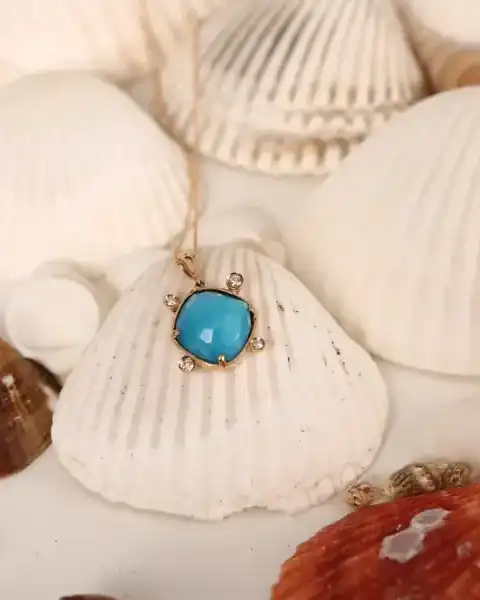
What makes Dhaalu stand out is craft. Rinbudhoo has long been known for goldsmiths and Hulhudheli for silversmiths. The work is mostly done at home, in family workshops, rather than in shops built for visitors.
The local islands, A to Z
These are the six inhabited islands. Population figures are from Census 2022. Guesthouse information comes from the Ministry of Tourism’s register of tourist facilities (checked October 2026), which is the only list we use. The register names the island it calls “Ribidhoo” — the same island as Rinbudhoo.
Bandidhoo
A community of about 630 people. We could not find a registered guesthouse here, so treat it as a place you might pass through or visit on a trip arranged from a nearby island, rather than a base.
Hulhudheli
About 760 people, with a long reputation for silversmiths. Traditional pieces include chains, bracelets and amulets made with old hand tools. The island has registered guesthouses on the Ministry list, which makes it one of the few places in the country where you can stay in a working craft village.
Kudahuvadhoo
The largest island, with about 3,100 people, at the southern end of the atoll. It has Dhaalu Airport, the atoll hospital and registered guesthouses. Its old coral-stone mosque is famous for the precision of its masonry: the explorer Thor Heyerdahl, who visited in the early 1980s, wrote admiringly about it. The island also has mounds known as hawitta, which historians link to the Buddhist period before the Maldives converted to Islam in the 12th century. Ask locally before visiting the mosque grounds, and dress modestly.
Maaenboodhoo
About 680 people, with registered guesthouses on the Ministry list. A small, everyday island community.
Meedhoo
About 1,100 people, the second-largest community in the atoll. We found no registered guesthouse here on the Ministry list in October 2026.
Rinbudhoo
The smallest inhabited island, with just over 300 people, and the atoll’s best-known goldsmithing island. Families here make traditional pieces worn at weddings and festivals. The register lists one guesthouse (under the spelling “Ribidhoo”).
In short: as of October 2026 the register lists eight guesthouses in Dhaalu, on four islands — Hulhudheli, Kudahuvadhoo, Maaenboodhoo and Rinbudhoo. That is very few, so book ahead and confirm the guesthouse is registered before you pay.
Silversmiths, goldsmiths and heritage
Maldivian jewellery-making is one of the country’s oldest crafts, and Dhaalu is its heartland. Why it settled on these two islands is not clearly recorded; local stories exist, but none we could confirm. What is clear is that the skills have been passed down within families.
If you would like to see the work:
- Ask your guesthouse or the island council to introduce you to a craftsperson. Workshops are usually in homes, so go by invitation.
- Ask before taking photos of people or their work.
- Buy silver or gold if you love it, but never buy anything made with coral, turtle shell or other marine products. Many need a permit to leave the country (Maldives Customs), and some are illegal.
For the wider picture, read our guides to traditional crafts of the Maldives and the coral stone mosques.
Dhaalu also carries memories of the 2004 Indian Ocean tsunami. Gemendhoo, once home to several hundred people, was abandoned afterwards and most of its families moved to Kudahuvadhoo.
Reefs, channels and marine life
Dhaalu has the classic Maldivian mix: outer reefs, channels (kandu) that cut through the atoll rim, and thila (submerged reefs) inside the lagoon. Channel dives here can bring eagle rays, turtles, reef sharks and big schools of fish when the current runs in.
Fushi Kandu is the atoll’s best-known channel dive. Divers often describe it as a protected site, but we could not confirm that on the official list of protected areas, so check with your dive centre.
Before you go:
- Channel diving depends on currents. Go with a registered dive centre, and stay within your training. The recreational diving limit in the Maldives is 30 m.
- Sharks and rays are protected. Do not touch, chase or feed any marine life; feeding sharks and rays is illegal.
- Snorkelling from the shore is possible on some islands, but ask locally about currents and where the safe entry points are.
See our guide to diving in the Maldives for safety and etiquette.
Getting to Dhaalu
By air
Dhaalu Airport on Kudahuvadhoo opened in 2017. Scheduled domestic flights connect it with Velana International Airport, and the flight takes well under an hour. From the airport, the other islands are reached by boat; your guesthouse will usually arrange the transfer. Our guide to seaplanes and domestic flights explains baggage limits and timing.
By sea
Long-distance boats from Malé are possible but slow, and schedules change. Within the atoll, ferries link some islands on certain days. Ask your guesthouse or the island council for the current timetable, and remember that services are reduced on Fridays across much of the country.
Plan your timing
Because most journeys involve a domestic flight, try to arrive in Malé early enough to connect on the same day. If you land late, you may need a night near the airport first.
Island life and etiquette
The rules are the same as on every local island in the Maldives:
- No alcohol. It is not sold or allowed on inhabited islands.
- Wear swimwear only on a designated bikini beach, if the island has one. Elsewhere, cover shoulders and knees.
- Shops and cafés close for a while for Friday midday prayers.
- During Ramadan, don’t eat, drink or smoke in public in daylight.
- Ask before photographing people, especially women and children.
Our guide to what to wear in the Maldives has more detail.
Money: carry US dollars and some rufiyaa. Guesthouses on islands like these add a green tax of USD 6 per guest per night, plus 17% tourism GST, and a 10% service charge is common.
Dhaalu or an island nearer Malé?
Dhaalu suits travellers with a week or more who want to see craft traditions, dive quieter channels and step away from busy routes. You will need a domestic flight and some flexibility, and choice of places to stay is limited.
If your time is short, an island near Malé is simpler. Dhiffushi, for example, is a 40–50 minute shared speedboat ride from the airport, with no flight needed — see how to get to Dhiffushi. Many travellers combine both: a few days near Malé, then a flight south. Our guide to local islands near Malé can help you choose, and you can compare neighbouring Faafu and Meemu.
Questions people ask
Where is Dhaalu Atoll?
Dhaalu Atoll is in the central-south Maldives, roughly 180 km south-west of Malé in a straight line. It is the southern half of the natural Nilandhe atoll, with Faafu to the north, Meemu to the east and Thaa to the south-east. The quickest way to get there is a domestic flight from Velana International Airport to Dhaalu Airport on Kudahuvadhoo, which takes well under an hour.
How do I get to Dhaalu Atoll from Malé?
Most visitors take a scheduled domestic flight from Velana International Airport to Dhaalu Airport on Kudahuvadhoo, which opened in 2017. From there, boats link the other islands, and guesthouses normally arrange the transfer. Boats from Malé are possible but long and irregular. Plan to land in Malé early enough to connect the same day, or allow a night near the airport.
Which islands in Dhaalu have guesthouses?
According to the Ministry of Tourism register in October 2026, Dhaalu has eight registered guesthouses on four islands: Hulhudheli, Kudahuvadhoo, Maaenboodhoo and Rinbudhoo (listed as “Ribidhoo”). We found none registered on Bandidhoo or Meedhoo. Choice is limited, so book early and check that any guesthouse you choose appears on the official register before paying.
What is Dhaalu Atoll known for?
Dhaalu is best known for its jewellers. Rinbudhoo has long been famous for goldsmiths and Hulhudheli for silversmiths, with skills passed down in family workshops. Kudahuvadhoo has an old coral-stone mosque admired for its fine masonry. Divers also come for channel dives such as Fushi Kandu, where eagle rays, turtles and reef sharks are often seen.
Can I drink alcohol in Dhaalu?
Not on the local islands. Alcohol is not sold or allowed on any inhabited island in the Maldives, including all six in Dhaalu. It is only available at licensed resorts, the airport hotel island and liveaboards. If you bring alcohol into the country, customs will hold or confiscate it on arrival, so it is best not to pack any at all.
Is Dhaalu good for a first trip to the Maldives?
It can be, if you have at least a week and are happy to take a domestic flight. Dhaalu is quiet, with few guesthouses and a slow pace, which many travellers love. If you have only a few days, an island near Malé such as Dhiffushi saves travel time. Many first-time visitors combine a stay near Malé with a few nights further south.


