


What to wear in the Maldives: dress code and bikini beaches
Swimwear on the bikini beach, shoulders and knees covered in the village. A plain guide to what to wear on local islands, at resorts, in Malé and during Ramadan.
 By Dhiffushi Island Council8 min readUpdated
On a local island, pack for two settings. Swimwear is fine on the designated bikini beach, but in the village, cafés, shops and on the ferry you should cover your shoulders and knees. Resorts are private islands with their own relaxed rules, and Malé is a busy Muslim city where modest everyday clothes are the norm. Nude and topless sunbathing isn’t allowed anywhere in the Maldives.
Why there is a dress code
The Maldives is a Muslim country, and on its 187 inhabited islands (Maldives Bureau of Statistics, Census 2022) people live by local customs. Modest dress is part of everyday life there. It isn’t a test for visitors. It’s simply how people dress at home, at work and at the mosque.
Resorts are different. Each one sits on its own island, mostly away from where Maldivians live, so the rules there are much looser. That’s why advice online can seem to contradict itself. A resort guest and a guesthouse guest are, in practice, following two different sets of norms.
Nobody expects you to dress like a local, but a little effort is noticed. For the wider picture of island customs, see our guide to Maldives culture, people and language.
What to wear on a local island
In the village
Away from the beach, aim to cover your shoulders and knees. That covers the streets, cafés, shops, the harbour, the jetty and the public ferry.
- Women: a T-shirt or loose top with sleeves, plus a knee-length skirt, light trousers or longer shorts. Loose cotton or linen is cooler than tight clothes in the heat.
- Men: a T-shirt and shorts are fine. Avoid going shirtless anywhere off the beach, and avoid very short shorts.
- Everyone: don’t walk through the village in swimwear, even with a towel round you. Bring a light layer to throw on.
A sarong or a large scarf is the most useful thing in your bag. It turns a beach outfit into village clothes in seconds.
On the bikini beach
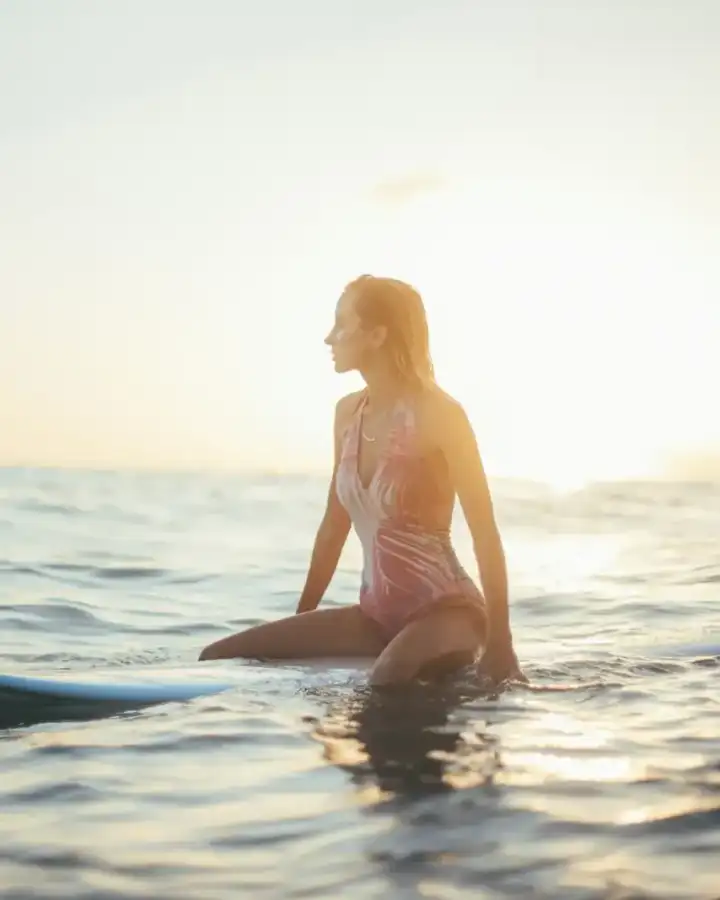
Most local islands that welcome visitors have a designated tourist beach, usually called a “bikini beach”. It is often marked with a sign, and sometimes screened by plants or a fence. Here, ordinary swimwear is fine: bikinis, swimsuits and swim shorts.
A few things still apply:
- No nude or topless sunbathing. This is true everywhere in the country, resorts included.
- Change into swimwear at your guesthouse or at the beach, and cover up again before you walk back.
- Don’t wear swimwear into a café, even one right on the sand, unless staff tell you it’s fine.
Dhiffushi is a good example. It has two designated bikini beaches, the North Bikini Beach and the quieter South / Sunset Bikini Beach. Swimwear is fine on both, and you cover up for the short walk back through the village. Our Dhiffushi beach guide explains which beach suits what.
Swimming outside the bikini beach
What if you want to swim from a beach that isn’t a bikini beach? You’ll see local families doing exactly that, fully dressed. Do the same: swim in a T-shirt and shorts, or in leggings and a long-sleeved rash vest. Many visitors find a rash vest useful anyway, as it protects against the strong sun while snorkelling.
On boat trips, excursions and sandbanks away from the village, swimwear is generally fine. Cover up again before you land back at the island’s harbour. Our guide to sandbanks and picnic islands explains how those trips work.
What to wear at a resort
Resorts are private islands with their own rules. Swimwear is normal around the pool and beach, and dress is generally casual. Some resort restaurants ask for smarter evening wear, such as long trousers or closed shoes for men. If you’re visiting a resort on a day trip from a local island, check its rules when you book.
The one rule that still applies: no nudity or topless sunbathing, even on a private island.
What to wear in Malé and Hulhumalé
Malé is the capital and a crowded, working Muslim city. Dress as you would in a village on a local island: shoulders and knees covered, no swimwear in the streets. Women may feel more comfortable in loose trousers or a long skirt. Men should keep a shirt on.
Treat the city beaches in Malé and Hulhumalé as local beaches, not bikini beaches. If you want to swim there, follow what local people do and swim covered up. See our Malé city guide for what to see on a day in the capital.
At the airport, on arrival day, what you wore on the plane is fine. If you’re heading straight to a local island by speedboat or ferry, though, it helps to be in village clothes already. Our guide to arriving at Velana International Airport covers the transfer options.
Mosques and prayer times
Mosques are places of worship rather than sights. On local islands, non-Muslim visitors should not go inside unless they are invited. Near any mosque:
- Dress modestly: shoulders and knees covered for everyone.
- Keep your voice down, especially during prayer.
- Ask before you photograph people, and don’t walk in front of someone who is praying.
If you are invited in, women will usually be asked to cover their hair, so a scarf helps. Everyone takes off their shoes at the door. In Malé, the Old Friday Mosque (Hukuru Miskiy) is a working mosque, so entry for non-Muslim visitors is limited and may need permission; see our Malé guide.
On Fridays, shops and cafés close for a while around the midday prayer. It’s a good time to be on the beach.
Dress during Ramadan
During Ramadan, Muslims fast from dawn to sunset. Visitors aren’t expected to fast, but on local islands you shouldn’t eat, drink or smoke in public in daylight. Dress becomes a little more noticeable too. Be extra careful to cover up in the village, and keep beachwear strictly on the bikini beach. Our guide to visiting Dhiffushi during Ramadan explains how island life changes during the month. The dates move each year; see Maldives festivals and public holidays.
Men’s dress: the short version
Men often ask whether the rules apply to them. Mostly, yes, but they are simpler:
- T-shirts and shorts are fine in the village.
- No going shirtless outside the beach, including on the walk to it.
- Swim shorts belong on the beach and on boats, not in cafés or shops.
What to pack, in brief
You don’t need a special wardrobe. A short list covers most trips:
- Two or three light tops with sleeves (T-shirts or loose shirts)
- Knee-length shorts, a skirt or light trousers
- A sarong or large scarf for covering up quickly
- Swimwear, plus a rash vest or long-sleeved swim top for sun and snorkelling
- Sandals or flip-flops, which you’ll often take off at guesthouse and home doorways
- A hat and sunglasses; the sun is strong all year
The weather is hot all year, around 30–31°C, so breathable fabrics matter more than layers. A light rain jacket helps in the wet season, roughly mid-May to November. For a full checklist, see our Dhiffushi packing list. For the wider rules, including alcohol and behaviour, read the local island etiquette guide.
What happens if you get it wrong
Most of the time, nothing dramatic. If you walk into the village in swimwear, someone may politely ask you to cover up: your guesthouse host, a shopkeeper or a neighbour. Say sorry, put on a layer and carry on.
What does cause offence is ignoring a request, or repeatedly wearing beachwear in the village. Nudity anywhere is a more serious matter. If you’re unsure, ask your guesthouse; they’ll know the island’s customs best. Our local islands guide explains more about staying on an inhabited island.
Questions people ask
Can you wear a bikini in the Maldives?
Yes, in the right places. Bikinis are fine at resorts, on the designated bikini beaches of local islands, and generally on boat trips and sandbanks away from inhabited islands. They aren’t acceptable in the village, in cafés or shops, in Malé, or on ordinary local beaches. Topless and nude sunbathing aren’t allowed anywhere in the Maldives, including at resorts.
What is a bikini beach in the Maldives?
A bikini beach is a stretch of sand on a local island set aside for tourists, where ordinary swimwear is allowed. It’s often signed and sometimes screened from the village. Outside it, local dress norms apply. Dhiffushi, for example, has two: the North Bikini Beach and the South / Sunset Bikini Beach, with swimwear fine on both.
Do women have to cover their hair in the Maldives?
No. Visiting women don’t need to cover their hair on local islands, in Malé or at resorts. Many Maldivian women do, by personal and religious choice, but it isn’t expected of visitors. The exception is entering a mosque if you are invited, when you will usually be asked to cover your hair. A light scarf in your bag covers this.
Can men wear shorts on a local island?
Yes. Men can wear shorts and a T-shirt in the village on local islands. What isn’t acceptable is going shirtless away from the beach, or wearing swim shorts into cafés and shops. Knee-length shorts or light trousers are a more respectful choice near a mosque, and a sensible one for Malé too.
Can I swim in normal clothes on a local beach?
Yes, and that’s what most local people do. If you want to swim from a beach that isn’t a designated bikini beach, wear a T-shirt and shorts, or leggings with a rash vest. It’s comfortable, it protects you from the sun, and it shows respect for the island’s customs. Swimwear is then for the bikini beach only.
What should I wear on the ferry or speedboat?
Wear village clothes: shoulders and knees covered. You’ll share boats with local passengers and arrive at a harbour in the middle of a community. A light layer is also useful against sun and spray. Change into swimwear once you reach your guesthouse or the bikini beach, not on the boat itself.
Is the dress code different during Ramadan?
The rules are the same, but people notice them more. Be extra careful to cover shoulders and knees in the village, and keep swimwear strictly on the bikini beach. During daylight, don’t eat, drink or smoke in public on local islands. Guesthouses still serve visitors indoors, and resorts carry on much as usual.

