Maldives in July: weather, surf and Independence Day
July in the Maldives: sunny spells between showers, warm seas, the most consistent surf, manta season and Independence Day celebrations on 26 July.
 By Dhiffushi Island Council7 min readUpdated
July is the middle of the southwest monsoon, the Maldives’ wet season, but it is usually a month of sun and showers rather than constant rain. Expect warm seas, some windy and choppy days, the most consistent surf of the year and good manta season on the eastern sides of the atolls. On 26 July the whole country celebrates Independence Day.
July weather in the Maldives
The Maldives Meteorological Service puts the wet season, the southwest monsoon (known locally as *hulhangu*), from mid-May to November. By July it is well settled. The wind comes mainly from the west and south-west, and the weather can change quickly through the day.
What the numbers say
Long-term averages for Malé, from Met Service data (1981–2000) published by the World Meteorological Organization, give July:
- Rainfall: about 150 mm, over around 12 rain days
- Daytime high: about 30.5°C
- Night-time low: about 26°C
- Sea: around 28–29°C
- Sunshine: the Met Service gives roughly 7 to 9 hours a day outside the January to March dry season
On those averages, July is one of the less rainy months of the wet season, drier than May, June or August and well below September to November. Averages hide a lot, though: one July is bright and breezy, the next brings a run of grey days.
What a July day feels like
Rain usually comes as short, heavy showers and squalls with sunny spells between, not all-day drizzle. A dark morning can turn into a clear afternoon. It is humid, but the steady breeze helps. Now and then a weather system brings a few days of strong wind, and the Met Service issues rough-sea advisories. Check its alerts while you are here.
The sea in July
The sea is what changes most from the dry season. Long swell from the southern Indian Ocean reaches the atolls, and the open channels between islands can be lumpy.
- Boat trips: speedboat crossings can be bumpy, and on rough days excursions, ferries and small boats may be delayed or cancelled. Build in slack, and leave a spare half-day before your flight home.
- Visibility: often good, but lower on windy days and where plankton is thick (which is what brings the mantas).
- Currents: strong in the channels. Snorkel with a guide and a boat.
- Sheltered water: lagoons and the sheltered side of an island are often calm enough for snorkelling when the outer reef is rough.
Mantas and other marine life
Research by the Manta Trust shows that mantas follow the plankton, which follows the monsoon. In the southwest monsoon they tend to feed on the eastern sides of the atolls. It is also the season for Hanifaru Bay, a protected bay in Baa Atoll’s UNESCO biosphere reserve, where mantas gather in large numbers on the right tides. Our best time to visit the Maldives guide puts its peak at around July to October. Check Hanifaru’s visitor rules and fee before you go.
The Maldives Whale Shark Research Programme records whale sharks all year in the South Ari Marine Protected Area. Turtles and spinner dolphins are seen all year too. Nothing is guaranteed. Our marine life guide explains where to look and how to swim with these protected animals responsibly.
Surfing in July
July is the heart of the surf season. Surf forecasters and local surf guides generally say June to August brings the biggest and most consistent swell. It also brings the busiest line-ups.
- Who it suits: confident intermediate and experienced surfers. Every wave is a reef break over live coral.
- Beginners: take a lesson with a qualified guide on a small day, or come in the gentler shoulder months.
- Access: almost every break is reached by boat, and your crew picks the wave.
Our guide to surfing in the Maldives covers the regions and reef safety. Windy days in this season also suit kitesurfing and windsurfing.
What’s on in July 2027
Independence Day, 26 July
The Maldives became fully independent from Britain on 26 July 1965, and this is the biggest national celebration of the year. In 2027 it falls on Monday 26 July, usually with 27 July off too.
- In Malé: a parade by the Maldives National Defence Force, boduberu drumming, traditional dance and fireworks.
- On local islands: flags and lights along the streets, sports matches, music nights and school events. The evening programme is often the best chance to see the whole community out together.
- What changes: offices close and banks keep short hours. Carry enough rufiyaa, and book speedboats early.
Our festivals and public holidays guide has the full 2027 calendar. Note that Ramadan and both Eids fall well outside July in 2027.
Crowds and prices in July
July is in the low season overall. The Maldives is busiest from December to March, and Dhiffushi’s own figures show May and June are among the quietest months.
- A small summer bump: European school holidays and surfers chasing the peak swell make July a little busier than June or September.
- Often better value: many guesthouses keep wet-season rates, though this varies.
- Book ahead for the Independence Day weekend and the North Malé surf islands.
What to do in July
- Surf the peak swell, if you have the skills.
- Look for mantas on the eastern side of the atolls.
- Snorkel sheltered lagoons and sandbanks on calmer days.
- Join Independence Day evenings on a local island.
- Slow down on rainy afternoons. July suits an unhurried trip.
On a local island in July: Dhiffushi
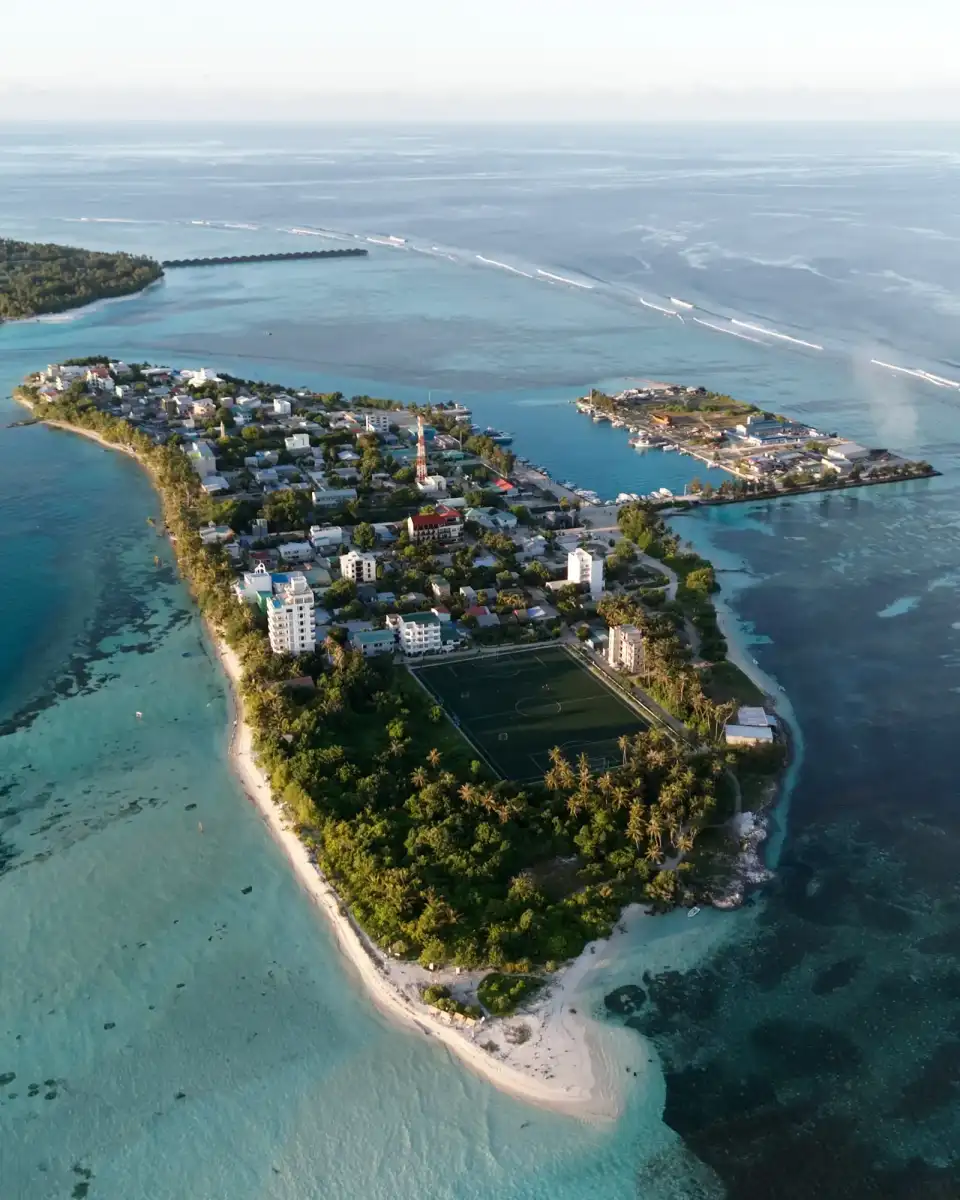
Dhiffushi sits on the eastern rim of North Malé Atoll, about 37 km north-east of Malé. It is the easternmost inhabited island in the Maldives, so the country’s sunrise comes here first. That eastern position works in its favour in July, because mantas tend to feed on the eastern sides of the atolls in this monsoon. Ask locally about nearby manta trips; sightings are never certain.
- Getting here: the shared speedboat from Malé or the airport takes about 40–50 minutes, and in July the ride can be bumpy. The MTCC public ferry does not run on Fridays. See how to get to Dhiffushi.
- Surf: Dhiffushi has no break of its own. The well-known North Malé waves are a boat ride south. Our page on surfing near Dhiffushi lists which are open to all.
- Island life: expect Independence Day flags and evening events. There is no alcohol, swimwear is for the bikini beach, and things go quiet at Friday midday prayers.
The best time to visit Dhiffushi guide compares every month on the island.
Packing for July
- A light rain jacket or packable poncho for the squalls
- A dry bag for phones and cameras on speedboats
- Seasickness tablets if you are prone to it, taken before boat days
- Reef booties and a rash vest if you plan to surf
- Reef-safe sunscreen and a hat: the sun is strong between showers
- Light, quick-drying clothes that cover shoulders and knees
Our packing list has the full checklist.
Before and after July
- Maldives in June: the monsoon settles in, with quiet islands and rising surf.
- Maldives in August: mid-season swell, National Day and the Prophet’s birthday.
Questions people ask
Is July a good time to visit the Maldives?
Yes, if you can live with some rain and choppy days. July is warm, with long sunny spells between showers, and it is the heart of the surf season and good manta time on the eastern sides of the atolls. It is quieter than the December to March peak. If calm seas and clear water matter most, choose the dry season.
Does it rain all day in the Maldives in July?
Rarely. Rain in the southwest monsoon usually comes as short, heavy showers or squalls, with sunshine between them. Met Service averages for Malé give July about 150 mm of rain over around 12 rain days, which is less than May or August. Some years bring a few grey, wet days in a row, so plan flexible days rather than fixed ones.
Is the sea too rough for boat trips in July?
Most days, boats run. But the swell and wind are stronger than in the dry season, so speedboat crossings can be bumpy, and excursions or ferries are sometimes delayed or cancelled. Choose trips with flexible dates, take seasickness tablets if you need them, and leave a spare half-day before your international flight home.
Can you see manta rays in the Maldives in July?
Often, yes. In the southwest monsoon, research by the Manta Trust shows mantas tend to feed on the eastern sides of the atolls. July also falls in the Hanifaru Bay season in Baa Atoll, which is usually at its best from around July to October. Sightings depend on plankton and tides, so nothing is guaranteed. Keep at least three metres away and never touch.
What happens on Independence Day in the Maldives?
Independence Day, 26 July, marks independence from Britain in 1965. It is usually a two-day public holiday. Malé holds a parade by the defence force, drumming, dance and fireworks, and local islands put up flags and hold sports and music nights. Offices close and banks keep short hours, so carry cash and book boats early.
Is July good for surfing in the Maldives?
It is one of the best months, with the most consistent swell of the year, according to surf forecasters and local guides. It is also the busiest time at the popular breaks. The waves break over shallow coral, so July suits confident intermediate and experienced surfers. Beginners should book a lesson with a qualified guide and surf small days.