


Vegetarian and vegan food in the Maldives: a practical guide
Tuna hides in many Maldivian dishes. How to spot smoked fish and rihaakuru, which local dishes are fish-free, and how to ask for vegetarian or vegan food.
 By Dhiffushi Island Council8 min readUpdated
Yes, you can eat well in the Maldives as a vegetarian or vegan, but you need to ask, because tuna turns up in almost everything Maldivian, from broths and curry bases to pastes and snacks. On local islands, the easiest approach is to tell your guesthouse in advance, learn the word *mas* (fish), and lean on vegetable curries, dhal, roshi flatbread, rice and fresh fruit.
Why fish is everywhere
Maldivian cooking grew up on coral islands with thin, sandy soil, where the sea and the coconut palm provided almost everything. Our guide to Maldivian dishes covers the full menu; for vegetarians, the key point is that fish is often an ingredient you cannot see.
The hidden fish to know about
- Valhoa mas: tuna that has been boiled, smoked and dried until hard. It is grated or flaked into curries, snacks and breakfast dishes to give them a smoky depth. A dish can look like plain vegetables and still contain it.
- Rihaakuru: a thick, dark, salty paste made by boiling down the cooking liquid from tuna. A spoonful is stirred into rice, curries and broths, or served on the side.
- Garudhiya: the clear fish broth many Maldivians would call the national dish. It is fish by definition.
- Fish-based curry bases: some curries, even vegetable ones, start with tuna or a little rihaakuru for flavour.
- Hedhikaa (short eats): most of the savoury snacks in café cabinets, such as gulha, bajiya, keemiya and masroshi, are filled with tuna. Some bajiya also contain boiled egg.
The word *mas* simply means fish (usually tuna), so you will see it in dish names: *mas huni*, *mas riha*, *masroshi*. If a name contains *mas*, it is not vegetarian.
What vegetarians can usually eat
The good news is that the other building blocks of Maldivian food are plant-based: rice, coconut, chilli, lime, onion, curry leaves and spices. Many dishes can be made without fish if the cook knows in advance.
Dishes that are vegetarian or easy to adapt
- Roshi: the thin, round, unleavened flatbread eaten at breakfast and with curries. It is made from flour, water and a little oil or salt, but ask whether ghee or butter is used if you are vegan.
- Vegetable curries: pumpkin, breadfruit, banana flower, aubergine and green banana curries are part of home cooking. Ask for them to be made without fish or rihaakuru.
- Dhal (lentil curry): common at cafés that also serve South Asian food, and one of the easiest vegan options to find.
- Boshi mashuni: a salad of blanched banana flower with grated coconut, onion, chilli, lime and spices, a cousin of the tuna-based *mas huni* breakfast. The traditional version is built around banana flower rather than fish, but cooks vary, so ask before you order.
- Breadfruit (bambukeyo): boiled, fried into crisps or added to curries.
Sweets and drinks
- Bondibai: a rice pudding cooked with coconut milk and sugar, often flavoured with cardamom or rose water. It is usually vegan if made with coconut milk only; ask whether condensed milk has been added.
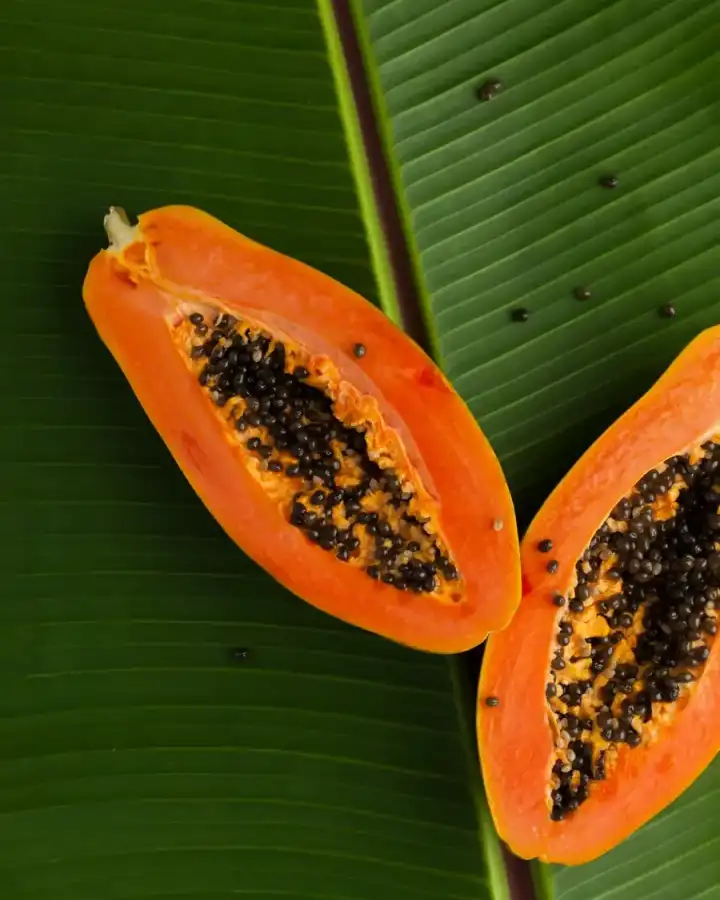
- Fresh fruit: papaya and bananas appear at breakfast and in juices.
- Young coconut water: sold almost everywhere and naturally vegan.
- Sai (tea): sweet black tea is the national drink. If you are vegan, check that no milk has been added.
Vegan travellers should also check for egg in pastries and short eats, ghee or butter in roshi and rice, and condensed milk in tea, coffee and sweets.
How to ask for vegetarian food
English is widely spoken in tourism, but a few words help in small local cafés. From our Dhivehi phrases for travellers guide:
| English | Dhivehi | Say it |
|---|---|---|
| Fish | Mas | mas |
| No | Noon | noon |
| Please | Adhes kohfa | a-DHES KOH-fa |
| Thank you | Shukuriyyaa | shu-ku-RIY-yaa |
Saying “no mas” while pointing at a dish is widely understood. Be specific in English too:
- Say “no fish, no tuna, no fish paste” rather than “vegetarian”. Some cooks understand vegetarian as “no meat” and still add smoked tuna or rihaakuru.
- Name the hidden ingredients by name: valhoa mas and rihaakuru.
- If you are vegan, add “no egg, no milk, no butter, no ghee”.
If you have a fish allergy rather than a preference, tell your host before you arrive. Cross-contact in small kitchens is likely, because the same pans and utensils are used for fish dishes.
Eating on a local island
Most independent travellers stay in guesthouses on inhabited islands, and this is where vegetarians have the most control, because you can talk directly to whoever is cooking. Our Maldives local islands guide explains how these islands work.
Guesthouse meals
- Tell them before you arrive. Most fresh vegetables are imported and reach islands by boat on set days, so a few days’ notice lets your host stock up.
- Breakfast is the easiest meal: roshi, eggs (for vegetarians), toast, fruit, juice and tea or coffee. Ask for a vegetable or banana flower version of mashuni instead of mas huni.
- Lunch and dinner are usually cooked to order. Vegetable curry with rice, dhal, fried rice or noodles, pasta and salads are common requests.
- Half board or full board can work well for vegetarians because the cook plans around you; confirm the details in writing when you book.
Local cafés and teashops
Local cafés are the most affordable places to eat, but the short eats in the glass cabinet are mostly tuna. Ask whether any are vegetable-only; some cafés make vegetable rolls or pastries, especially in the evening. Cafés that also serve South Asian food are your best bet for dhal and vegetable curries.
On Dhiffushi, for example, guesthouse kitchens and visitor cafés mix Maldivian, Asian and western dishes, so vegetable curries, rice dishes and pasta are usually easy to arrange. Fresh produce depends on the supply boats, so the choice of vegetables can be narrower on smaller islands than in Malé.
Self-catering
Island shops sell rice, flour, lentils, tinned beans, pasta, bread and some imported fresh produce; choice varies by island and by boat day. Plant-based milks and specialist vegan products are hard to find outside the Malé area, so bring any staples you rely on.
Malé, Hulhumalé and resorts
The capital has the widest choice in the country. Malé and Hulhumalé have many cafés serving South Asian, Asian and international food, including vegetable curries, dhal, salads and pasta, and their supermarkets stock more imported vegetarian and vegan products than island shops. See our Malé city guide and Hulhumalé guide.
Resorts are private islands with their own kitchens and menus, and they generally cater for special diets on request. Our local island vs resort guide explains the wider differences.
Halal by default, and no pork
The Maldives is a Muslim country. All meat sold and served on local islands is halal, and pork is not sold. Pork and pork products are also among the items you may not bring into the country, along with alcohol. For vegetarians this simplifies things a little: when a dish contains meat, it will usually be chicken (*kukulhu*), and the main thing to watch for remains fish.
Ramadan, Fridays and bills
During Ramadan, Muslims fast from dawn to sunset. On local islands, don’t eat, drink or smoke in public in daylight. Guesthouses still feed their guests and some cafés serve visitors discreetly, but café choice during the day is smaller. Evenings are lively, and the iftar table often includes fruit, sweets and some vegetable short eats alongside the tuna ones. Our Ramadan in Dhiffushi guide has practical details.
On Fridays, shops and cafés close for a while around midday prayer. Bills at guesthouses and visitor restaurants commonly include a 10% service charge, and Tourism GST (17% since 1 July 2025) applies to many tourist services; see our money, costs and taxes guide and tipping guide.
Questions people ask
Is it easy to be vegetarian in the Maldives?
It is manageable, but not effortless. Maldivian cooking uses tuna in many forms, including smoked fish and rihaakuru paste that you cannot always see. Guesthouses on local islands cook to order and are used to requests, so tell your host before you arrive. Vegetable curries, dhal, roshi, rice dishes, fruit and salads are usually easy to arrange, and Malé and Hulhumalé have the widest choice.
Can vegans eat well in the Maldives?
Yes, with a little planning. Many Maldivian staples are plant-based: rice, coconut, roshi, dhal, vegetable curries, breadfruit and fresh fruit. As well as fish, check for egg in pastries and short eats, ghee or butter in roshi and rice, and condensed milk in tea and sweets. Plant-based milks and specialist vegan products are hard to find outside the Malé area, so bring any staples you rely on.
What is rihaakuru and why does it matter?
Rihaakuru is a thick, dark, salty paste made by slowly boiling down the cooking liquid from tuna. Cooks stir a spoonful into curries, rice and broths for flavour, so a dish that looks entirely vegetable can still contain fish. When you order, ask for no rihaakuru and no valhoa mas (smoked, dried tuna) as well as no fresh fish. Naming them shows the cook exactly what to leave out.
How do I say “no fish” in Dhivehi?
The word for fish is *mas* and the word for no is *noon*. Saying “no mas” while pointing at a dish is widely understood, and English is common in tourism. Be specific, because some cooks take “vegetarian” to mean no meat only. A short written note listing fish, tuna and fish paste, plus egg and dairy if you are vegan, is useful in small local cafés.
Are Maldivian short eats vegetarian?
Most are not. The classic hedhikaa, such as gulha, bajiya, keemiya and masroshi, are filled with tuna, and some bajiya also contain egg. Some cafés make vegetable rolls or pastries, especially in the evening and during Ramadan, so it is always worth asking. Sweet items such as bondibai rice pudding are more likely to be fish-free, but check for dairy if you are vegan.
Is food on local islands halal?
Yes. All meat sold and served on local islands is halal, and pork is not sold on local islands. Pork and pork products are also on the list of items you may not bring into the country. When a local dish does contain meat, it is usually chicken, so for vegetarians the main thing to watch for is fish rather than meat.


