Maldivian food in Dhiffushi: dishes, cafés and tips
Mas huni at breakfast, hedhikaa at teatime, grilled fish at sunset. What to eat on Dhiffushi, what it costs, and how Fridays, Ramadan and the no-alcohol rule work.
 By Dhiffushi Island Council7 min readUpdated
Food in Dhiffushi is built on tuna and coconut. Start the day with mas huni and roshi, snack on hedhikaa with sweet black tea in the afternoon, and finish with grilled fish on the beach. All food is halal and there is no alcohol, but menus mix Maldivian and international dishes at usually affordable prices – see every place to eat in our A–Z food and drink list.
Maldivian food: the dishes to try
Traditional Maldivian food comes from fish, coconut, starch (rice, flatbread, breadfruit or taro) and chilli.
- Mas huni – the classic breakfast. Tuna mixed by hand with grated coconut, onion, chilli and lime.
- Roshi – a thin, round flatbread, like a chapati, for scooping up mas huni or curry.
- Garudhiya – often called the national dish: a clear tuna broth served with rice, lime, chilli and onion. Locals may add *rihaakuru*, a dark, strongly savoury fish paste.
- Fihunu mas – tuna or reef fish rubbed with chilli-spice paste and grilled over a flame.
Hedhikaa (short eats)
Hedhikaa are small snacks, mostly savoury, laid out in glass cabinets for afternoon tea. Look for kulhi boakibaa (a baked, spicy fish cake cut into squares), bajiyaa (a small, samosa-like pastry with tuna and onion), gulha (fried dough balls filled with smoked fish and coconut) and mas roshi (roshi folded around tuna and coconut). Most contain fish, even when they look like vegetable snacks.
Sweet things
- Bondibaiy – rice cooked in coconut milk with cardamom, often made for Eid and family celebrations.
- Saagu bondibaiy – the sago version: soft pearls in sweetened coconut milk, often scented with pandan and rose water.
- Addu bondi – a fragrant coconut sweet from the far south of the country.
Fish and tuna culture
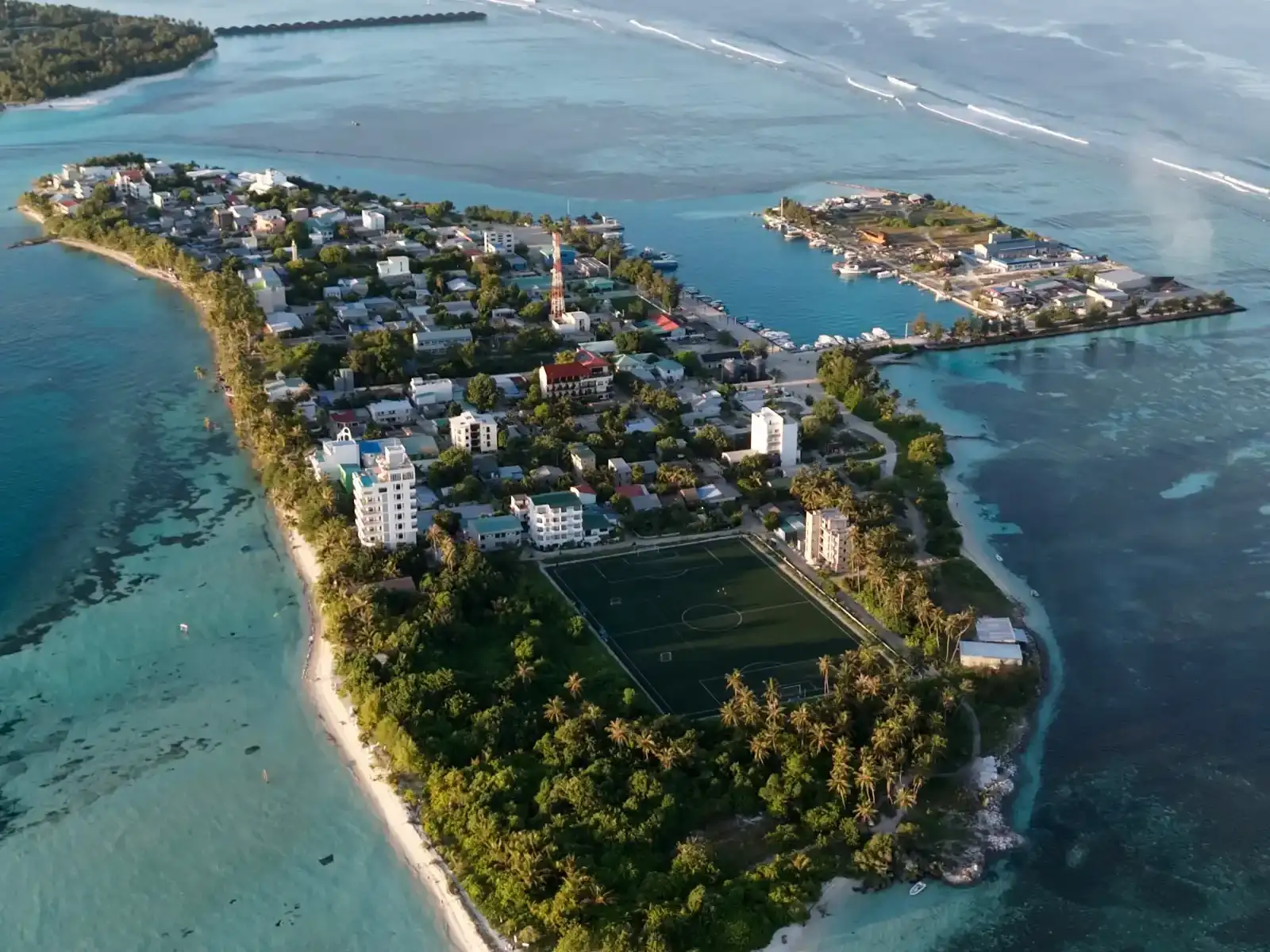
The Maldives catches its skipjack tuna mainly by pole and line: one fish, one hook, at a time. It is a centuries-old method, and the fishery was the first in the Indian Ocean to earn Marine Stewardship Council certification. On Dhiffushi you can watch the catch come in at the harbour and find fresh fish near the minimarts and fish market. Many dishes also use *valhoamas* – tuna boiled, smoked and sun-dried – which gives them a deep, smoky taste.
Breakfast on a local island
Breakfast usually comes with your room, and it is often the easiest way to try Maldivian food: mas huni with warm roshi, eggs, toast, fruit and tea or coffee. If it isn’t on the table, ask the day before.
What Dhiffushi cafés and restaurants serve
Where to eat in Dhiffushi is about mood rather than distance – everything is a short walk away. Menus usually mix:
- Maldivian dishes – fish curry, garudhiya, mas huni, hedhikaa, fried rice and noodles.
- International food – pasta, pizza, burgers, sandwiches and wraps.
- Seafood – grilled reef fish and tuna, sometimes prawns or lobster at a higher price.
- Indian curries, steaks and bakery items.
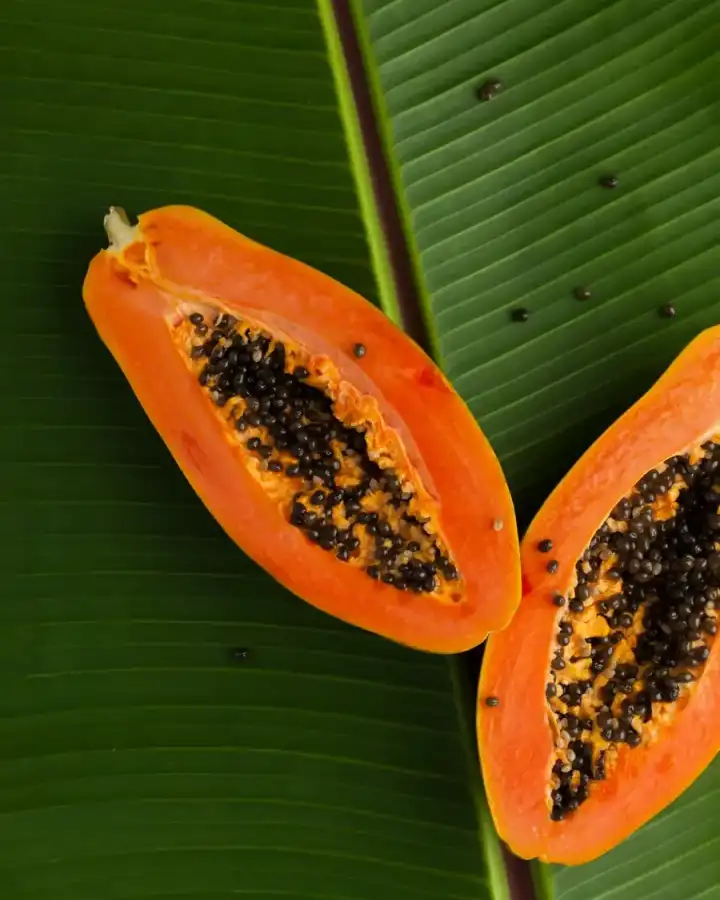
Fresh juices and milkshakes (watermelon, papaya, lime, mango) are on almost every menu. All Dhiffushi restaurants and cafés are listed A to Z, unranked, on our food and drink page.
Prices: what to expect
These are rough ranges from recent (2025–2026) reports for Maldivian local islands, not fixed Dhiffushi rates:
| Item | Usual range |
|---|---|
| Hedhikaa, per piece | about MVR 5–20 (US$0.30–1.30) |
| Mas huni breakfast | about MVR 25–60 (US$1.60–4) |
| Garudhiya with rice | about MVR 40–120 (US$2.60–8) |
| Casual café meal | about MVR 120–300 (US$8–20) |
| Large bottle of water, from a shop | about MVR 8–10 |
Tourist restaurants may add a service charge and tax, so check the menu. Tourism GST (T-GST) rose to 17% on 1 July 2025. For more ways to save, read our affordable Maldives trip guide.
Vegetarian, vegan and allergies
Vegetarians can eat well: vegetable and dhal curries, pumpkin and taro dishes, fried rice, pasta, pizza and plenty of fruit. Roshi with a fiery onion, chilli and lime paste is a simple vegan choice.
- Tell your guesthouse about your diet when you book.
- Fish turns up in many sauces, curry pastes and snacks – ask specifically.
- Coconut is in almost everything, which matters for coconut allergies.
- For serious allergies, carry a written card and bring your medication. The island has a health centre, but serious cases go to Malé.
Meal plans or eating out?
Most guesthouses offer bed and breakfast, and many sell half board (breakfast and dinner) or full board. Meal plans are simple for families and useful during Ramadan. Eating out lets you try different places, and nothing is more than a 10–15 minute walk. Compare options on our where to stay page.
Friday and Ramadan hours
Fridays: shops and many cafés close for midday Friday prayer, usually for a couple of hours around noon. Plan a late breakfast or early lunch.
Ramadan: the island fasts from dawn to sunset. Local cafés may open later, and the island comes alive after sunset when families break the fast. Guesthouses normally keep serving guests during the day, often discreetly – confirm your meal plan before you travel. Ramadan 2027 is expected around 8 February to 10 March; see Ramadan and Eid. Please don’t eat, drink or smoke in public during fasting hours.
Drinks: no alcohol, plenty else
Alcohol is not sold or served anywhere on Dhiffushi, including beaches and boat trips, and you shouldn’t bring your own. Instead, try fresh juices, coconut water straight from the nut, iced coffee and sweet black tea. You may hear of *raa*, sap tapped from coconut palms: fresh, it is sweet and non-alcoholic, but it ferments if left to stand. It is a traditional rural drink, not a café staple. More on customs is in our island etiquette guide.
Beach BBQs and night fishing
The best meal may be the one you catch. A night fishing trip with beach BBQ uses traditional hand lines at sunset, usually lasts 3–4 hours and often costs about US$30–50 per person. Snapper, grouper and jackfish are common, though nothing is guaranteed, and the crew grills the catch on the beach.
Tap water: drink bottled or filtered
Maldivian islands have no rivers or springs. On Dhiffushi, drinking water is desalinated seawater or bottled water, and tap water isn’t recommended for drinking. Buy bottled water from island shops, or use filtered water if your guesthouse offers refills.
Questions people ask
What is the most famous Maldivian food?
Mas huni and garudhiya are the dishes most Maldivians name first. Mas huni is tuna mixed with grated coconut, onion, chilli and lime, eaten with roshi flatbread at breakfast. Garudhiya is a clear tuna broth served with rice, lime and chilli. Both are easy to find on Dhiffushi, and your guesthouse breakfast is usually the simplest place to try mas huni.
Can you drink alcohol in Dhiffushi?
No. Dhiffushi is an inhabited local island, and alcohol is not sold or served anywhere, including restaurants, beaches and boat trips. Bringing your own isn’t allowed either. Instead, try fresh fruit juices, coconut water, milkshakes and sweet black tea.
How much does food cost in Dhiffushi?
Local-island food is usually affordable. Recent reports suggest hedhikaa snacks at about MVR 5–20 each, a mas huni breakfast at about MVR 25–60 and a casual café meal at about MVR 120–300 (US$8–20). Seafood, lobster and private dinners cost much more. Some tourist restaurants add service charge and tax, so check the menu first.
Is Dhiffushi good for vegetarians?
Yes, with a little planning. Many cafés serve vegetable and dhal curries, pasta, pizza, fried rice and fresh fruit. The catch is that fish appears in many local snacks, sauces and curry pastes, even when it isn’t obvious. Tell your guesthouse about your diet when you book, and ask about fish in each dish.
Are restaurants open on Fridays in Dhiffushi?
Yes, but most shops and many cafés close for a couple of hours around midday for Friday prayer. Guesthouse breakfasts run as normal and cafés reopen in the afternoon. Plan an early lunch or late breakfast, and remember the public ferry doesn’t run on Fridays.
Can I eat during Ramadan in Dhiffushi?
Yes. Guesthouses normally keep feeding guests during the day, often in a private dining area, though local cafés may open only after sunset. Booking half or full board makes things simpler. Please avoid eating, drinking or smoking in public during fasting hours.
Is the tap water safe to drink in Dhiffushi?
It’s best not to drink tap water on local islands. On Dhiffushi, drinking water is desalinated seawater or bottled water. Buy bottled water from island shops, where large bottles are inexpensive, or use filtered water if your guesthouse offers refills.