


Maldivian food: dishes to try and where to eat them
Tuna, coconut, rice and chilli: the traditional Maldivian dishes worth trying, from mas huni breakfasts to hedhikaa with tea, and how to eat well on a local island.
 By Dhiffushi Island Council8 min readUpdated
Maldivian food is built on tuna, coconut, rice and chilli. Start the day with mas huni (tuna, coconut and onion) and roshi flatbread, eat garudhiya fish broth or a mild fish curry at lunch, and try hedhikaa, the small savoury snacks served with sweet tea in the afternoon. The best place to taste it is a local island, where cafés and guesthouse kitchens cook for local families as well as visitors.
The building blocks of Maldivian food
On coral islands with thin, sandy soil, cooks have always relied on the sea and the coconut palm. Rice and flour are imported; the rest comes back to a few staples.
Tuna, in every form
Skipjack and yellowfin tuna are the heart of the Maldivian kitchen. You will meet tuna in three main forms:
- Fresh tuna, landed daily by the island’s pole-and-line fishing boats and cooked the same day in curries, broths or simply fried.
- Valhoa mas, tuna that is boiled, smoked and dried until hard. Abroad it is known as “Maldive fish”. It is flaked or grated into dishes and gives Maldivian food its deep, smoky taste.
- Rihaakuru, a thick, dark, salty paste made by slowly boiling down the cooking liquid from tuna. A spoonful lifts rice, a curry or a breakfast plate.
Our fishing in the Maldives guide explains the pole-and-line tradition.
Coconut, rice and roshi
The coconut palm gives grated coconut (huni), coconut milk, oil, sap and shade. Grated coconut goes into breakfast, snacks and sweets; coconut milk softens curries.
Rice is eaten with most main meals. Roshi, a thin, round, unleavened flatbread cooked on a dry pan, is eaten at breakfast and alongside curries, and you tear it with your fingers to scoop up food.
Chilli, lime and curry leaves
Heat comes from small, fierce local chillies (mirus), often served fresh on the side so you can add your own. Lime, onion, curry leaves, garlic, ginger and spices such as cumin, fennel and turmeric round out the flavour.
Breadfruit, taro and screwpine
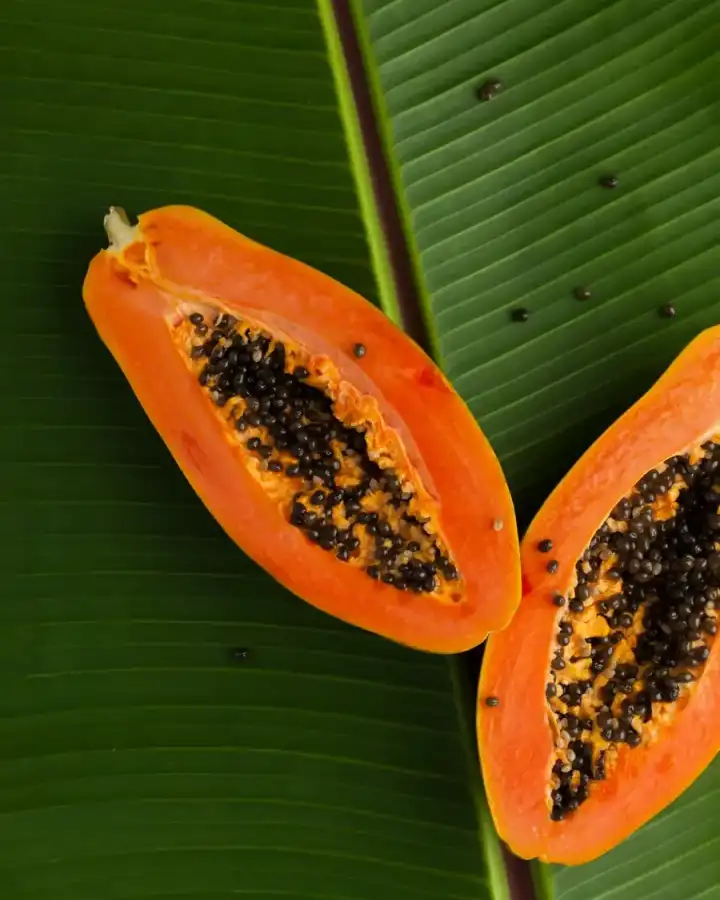
Not everything is imported. Islands grow breadfruit (bambukeyo), taro (ala), sweet potato, bananas, papaya and screwpine (kashikeyo), a spiky-leafed tree whose fruit is eaten fresh or cooked. Breadfruit is boiled, fried into crisps or added to curries. These appear more in home cooking than on café menus.
Breakfast: mas huni and roshi
The classic Maldivian breakfast is mas huni: tuna (fresh-cooked or tinned, or smoked valhoa mas) mixed by hand with grated coconut, finely chopped onion, chilli and lime juice. It is dry, bright and fresh, and you eat it rolled into warm roshi with a cup of sweet black tea.
Many guesthouses serve it on request; ask the night before. It is the single dish most worth trying in the Maldives.
Main dishes to try
Garudhiya
Garudhiya is a clear fish broth made by boiling fresh tuna with water, salt and sometimes a few curry leaves and onion. It sounds plain, but Maldivians grow up on it. You eat it with rice, then squeeze in lime, add fresh chilli and chopped onion, and top it with a little rihaakuru.
Mas riha
Mas riha is tuna curry, usually cooked with coconut milk, curry leaves and spices. Expect gentle to medium heat, with fresh chilli on the side if you want more. It is served with rice or roshi.
Fried and grilled fish
Grilled or fried fish, often reef fish or tuna marinated in chilli paste, lime and garlic, is the easiest dish to find on any local island.
Kukulhu riha and other curries
Kukulhu riha (chicken curry) is the main alternative to fish. You will also find curries made with vegetables, pumpkin, banana flower or breadfruit at home, and lentil dishes at cafés that also serve south Asian food.
Hedhikaa: short eats with tea
Hedhikaa is the Dhivehi word for the small savoury and sweet snacks sold in glass cabinets in local cafés and teashops. Islanders eat them in the afternoon with tea, and they fill the table at iftar, the meal that breaks the fast at sunset during Ramadan. Fillings vary by cook, but tuna, coconut, onion and chilli turn up in most.
- Gulha: small fried dough balls stuffed with smoked tuna, coconut, onion and chilli. The best-known hedhikaa.
- Bajiya: a triangular fried pastry, a bit like a samosa, filled with tuna, onion and curry leaves (sometimes boiled egg).
- Keemiya: a fried roll of thin pastry with a spiced tuna filling, close to a spring roll.
- Masroshi: roshi dough wrapped round a tuna and coconut filling, then baked or cooked on a pan.
- Kulhi boakiba: a firm, spicy baked fish cake made with tuna, rice and chilli. Served in squares.
Short eats are cheap, sold by the piece, and best in the late afternoon when trays come out fresh. Point at what you want; staff are used to visitors who do not know the names.
Sweets and drinks
Something sweet
- Bondibai: a rice pudding cooked with coconut milk and sugar, often flavoured with cardamom or rose water.
- Foni boakiba: a soft, sweet flour cake, often on the iftar table.
Sweets multiply at Eid and weddings; see our festivals and public holidays guide.
Sai: tea culture
Sweet black tea (sai) is the national drink, served with hedhikaa in the afternoon and at almost any gathering. It usually comes with sugar already in; ask for it without if you prefer.
Raa: fresh palm sap
Raa is fresh sap drawn from the flower bud of the coconut palm by a toddy tapper (raaveriya) who climbs the tree early in the morning. Drunk fresh, it is sweet, cloudy and refreshing. It can also be boiled down into a thick syrup (dhiyaa hakuru) used in sweets. Raa is a traditional drink rather than a café staple, so you will usually only taste it if a host offers it.
Fresh young coconut water and fruit juices are everywhere.
Eating on a local island
Where to eat
On an inhabited island like Dhiffushi, you eat in three main places:
- Local cafés and teashops: hedhikaa, rice and curry, sai. The most affordable meals in the Maldives.
- Guesthouse dining rooms: breakfast, plus lunch and dinner on request, mixing Maldivian, Asian and western dishes.
- Visitor restaurants: fish barbecues, pasta, noodles and fresh juice.
Prices on local islands are far lower than at resorts. A plate of short eats with tea costs a few dollars; a full meal in a café or guesthouse is moderate. Remember that a 10% service charge is often added, and Tourism GST (17% since 1 July 2025) applies to many tourist services. Our money, costs and taxes guide explains both.
Customs at the table
- Many Maldivians eat with their right hand, mixing rice and curry with their fingers. Cutlery is always available; nobody expects you to eat by hand.
- Use your right hand for passing food and eating if you do try.
No pork, no alcohol
The Maldives is a Muslim country. Pork and alcohol are not sold on local islands, and you may not bring either into the country. Alcohol is only served at resorts, the airport hotel island and liveaboards.
During Ramadan
During the holy month of Ramadan, Muslims fast from dawn to sunset. On local islands, do not eat, drink or smoke in public in daylight. Guesthouses still feed their guests, and some cafés serve visitors discreetly. Evenings are the reward: iftar tables fill with hedhikaa, fruit and sweet drinks. Read our Ramadan in Dhiffushi guide for practical details.
Dietary needs
Halal by default
All meat sold and served on local islands is halal. You do not need to ask.
Vegetarian and vegan
Vegetarian food is available, but fish is in almost everything Maldivian, including broths, curry bases and many snacks. Smoked fish and rihaakuru can be hidden in dishes that look meat-free. Tell your guesthouse in advance and ask cafés directly: “no fish, no mas” helps. Vegetable curries, dhal, fried rice, roshi, fruit and salads are usually easy to arrange. Vegans should also ask about egg and ghee. Anyone allergic to fish or coconut should talk to their host before arrival.
Dhivehi food words
| Dhivehi | Meaning |
|---|---|
| mas | fish (usually tuna) |
| riha | curry |
| huni | grated coconut |
| roshi | flatbread |
| valhoa mas | smoked, dried tuna |
| rihaakuru | tuna paste |
| mirus | chilli |
| kukulhu | chicken |
| bambukeyo | breadfruit |
| hedhikaa | short eats, snacks |
| sai | tea |
| raa | fresh palm sap |
Knowing a few words makes ordering easier and always earns a smile. Our culture, people and language guide has more Dhivehi to try.
Questions people ask
What is the national dish of the Maldives?
Most Maldivians would name garudhiya, a clear tuna broth eaten with rice, lime, chilli, onion and a little rihaakuru tuna paste. Mas huni, the breakfast mix of tuna, coconut and onion eaten with roshi, is just as loved and easier to find in guesthouses. Both show how central tuna and coconut are to Maldivian food.
Is Maldivian food spicy?
It can be, but heat is usually under your control. Curries are often gentle to medium, and small, very hot local chillies are commonly served on the side. Mas huni and short eats such as gulha carry some heat. If you prefer mild food, ask for “no chilli” when ordering; cafés and guesthouses are used to visitors who want less spice.
What do Maldivians eat for breakfast?
The typical breakfast is mas huni (tuna, grated coconut, onion, chilli and lime) with warm roshi flatbread and sweet black tea. Some families add boiled eggs, fish broth or fruit. Many guesthouses on local islands will make mas huni if you ask the evening before, and it is the best way to start a day on a local island.
Can you drink alcohol on local islands in the Maldives?
No. Alcohol is not sold or allowed on inhabited local islands, and you may not bring it into the country; customs will hold any duty-free bottles. It is only served at resorts, the airport hotel island and liveaboards. On local islands, expect fresh juices, coconut water, mocktails, coffee and sweet black tea instead.
Is it easy to eat vegetarian in the Maldives?
It is possible, but takes some planning. Fish is in most Maldivian dishes, including broths, curry bases and snacks, sometimes as hidden smoked tuna or tuna paste. Tell your guesthouse before you arrive and ask cafés directly. Vegetable curries, dhal, fried rice, roshi, salads and fruit are usually available, and vegans should also ask about egg and ghee.
What are hedhikaa?
Hedhikaa are Maldivian short eats: small fried or baked snacks such as gulha, bajiya, keemiya and masroshi, most filled with tuna, coconut, onion and chilli. Islanders eat them in the afternoon with sweet tea, and they are central to iftar during Ramadan. Local cafés sell them by the piece from glass cabinets, and they are among the most affordable foods in the country.


