


Maldivian sweets and desserts: what to try
Bondibaiy, foni boakiba, folhi, huni hakuru and coconut honey: a plain guide to Maldivian sweets, what goes into them and when islanders eat them.
 By Dhiffushi Island Council8 min readUpdated
Maldivian sweets are built on three things the islands have always had: coconut, rice and the syrup boiled from coconut-palm sap. The ones to try are bondibaiy (a sweet rice pudding), foni boakiba (a sweet cake), folhi (thin crepes) and huni hakuru (coconut wrapped in banana leaf), plus island specialities such as Addu bondi and screwpine sweets. You will meet most of them at tea time, at iftar during Ramadan and at Eid.
What makes a Maldivian sweet
Before imported sugar became normal, sweetness on the islands came mostly from the coconut palm. Toddy tappers climb the palms and collect the sap, called raa. Boiled down for hours, it turns into a dark, honey-like syrup known as dhiyaa hakuru. The Edition describes it as the flavour that gives many local sweets their coconut depth. Cooked further, it becomes a pale, creamy paste called karu hakuru.
Toddy tapping has declined, and white sugar is now the everyday sweetener. But many cooks still prefer hakuru for festive dishes, and you will taste the difference: rounder, smokier, less sharp. Read more about the tree itself in our guide to the coconut palm in Maldivian life.
The other building blocks are simple:
- Grated coconut and coconut milk in almost everything
- Rice and rice flour, plus starches such as breadfruit, cassava, sago and taro
- Flower waters — rose and jasmine — for scent
- Cardamom and pandan leaf in puddings
- Bananas, often mixed in raw
A useful word: *foni* means sweet. So foni boakiba is a sweet cake, as opposed to the savoury kulhi boakiba, the spicy fish cake.
Sweets and desserts to try, A to Z
These are listed alphabetically, not ranked. Spellings vary, because Dhivehi words are written in Latin letters in several ways.
Addu bondi
A speciality of Addu, the southernmost atoll. The national tourism board describes it as a fragrant coconut sweet, often made from young coconut and scented with jasmine or rose water. The Edition calls bondi a cylindrical, jasmine-flavoured coconut sweet and the pride of the southern kitchen. If you travel south, look for it; see our Addu City guide.
Aveli
Flattened rice flakes mixed with ripe banana, grated coconut and sugar. It is a soft, no-cook sweet, traditionally made for maahefun, the gathering held just before Ramadan begins.
Bondibaiy
The best-known Maldivian dessert: rice simmered slowly in coconut milk with sugar, often with cardamom or pandan. It is a celebration dish, made in big pots for Eid, weddings and the birth of a child, and shared with neighbours. Maldivians often eat it with something salty, such as smoked tuna or a spicy fish dish, which sounds odd until you try it. Versions use sago (saagu bondibaiy) or breadfruit (banbukeyo bondibaiy). Make it yourself with our bondibaiy recipe.
Folhi
Thin crepes, eaten plain, sweetened with hakuru, or alongside a rice pudding. Regional versions exist. Haalu folhi, linked with Kulhudhuffushi in the north, is a thin, crisp sheet made from rice, egg and sugar that keeps well. Gabulhi folhi is named by The Edition as a much-loved sweet in the northern islands.
Foni boakiba
A sweet cake cut into squares, the sweet cousin of the fish cake. Older material from the national tourism board describes it as made with coconut, rice flour, sugar, water and rose water; The Edition simply calls it a flour cake and lists it among iftar foods across the atolls. Recipes differ from island to island, so do not expect two to taste the same.
Foni faaroshi
Dried bread broken into rough pieces and mixed with dhiyaa hakuru, coconut and banana, so the bread soaks up the syrup. Another maahefun favourite, with a savoury twin made with fish paste.
Huni hakuru
Grated coconut cooked with sugar or hakuru, often steamed wrapped in banana leaf. Sticky, chewy and very sweet — one or two pieces with tea is plenty.
Kashikeyo foah
A sweet from Eydhafushi in Baa Atoll. Screwpine fruit (kashikeyo) is cooked to a pulp, then mixed with sugar, jasmine water, young coconut and a little corn flour, and rolled into small balls the size of an areca nut (*foah*). The Edition notes that screwpine sweets are a Ramadan tradition there.
Kiru and kiru boakiba
*Kiru* means milk. Kiru is a smooth, creamy rice pudding; one Maldivian cook writing in The Edition recalls her family making a big pot of it, with folhi, on the first day of Ramadan. Kiru boakiba is a set milk pudding made with coconut milk and rice flour or corn flour, usually eaten at afternoon tea.
Kunbus
A rare Eid treat in some islands. MMTV describes it as a caramelised coconut sweet cake made with coconut, dhiyaa hakuru, sugar and flour, wrapped in banana leaves and slow-cooked underground over several days. You are unlikely to find it unless you are invited.
Maafuh
Soft balls of roasted finger millet flour mixed with banana, coconut and sugar. Old-fashioned and filling, and another dish linked with maahefun.
Naroh falidha
A breadfruit sweet flavoured with jasmine water and toddy syrup, which the tourism board says some people call the Maldivian doughnut. Few people still make it.
When Maldivians eat sweets
Tea time
Most sweets are eaten in the afternoon with black or milk tea, next to savoury snacks. Tea shops on local islands lay out trays of short eats, and a few of them are sweet. Our guide to hedhikaa, Maldivian short eats explains how this works.
Ramadan and iftar
Ramadan is when sweet dishes really come out. Families break the fast at sunset with drinks, short eats and puddings, and many homes still make the dishes their parents made. Before the month starts, maahefun brings people together to share aveli, foni faaroshi and puddings. Modern iftar tables now often include cheesecakes and other new desserts beside the old ones. If you visit during the fast, read Ramadan in the Maldives first: on local islands, do not eat, drink or smoke in public in daylight.
Eid
Eid begins with breakfast after the morning prayer. The centre of the table is usually kulhi boakiba, the fish cake, but bondibaiy and other sweets sit next to it. Families share food between houses, a custom called *thashibari*, and visitors who are invited in are often handed a plate.
Life events
Bondibaiy marks births, weddings and other family milestones. If you are offered a bowl, accept it: sharing food is part of the occasion.
Where to try them
You do not need a special restaurant. On a local island:
- Tea shops and cafés usually have a tray of snacks in the afternoon; ask which ones are sweet.
- Ramadan evenings bring the widest choice, as cafés and homes prepare iftar food.
- Your hosts are the best people to ask where to find hakuru or a home-made pudding.
Home cooking is still where the best versions are found, and a small local island is the easiest place to come across it. On Dhiffushi, in North Malé Atoll, Ramadan evenings and Eid are the times to look. Our guide to food in Dhiffushi covers what you can eat on the island day to day.
Taking sweets home
Sealed packs of local sweets are easy to carry, but each country has its own rules on bringing food in. Check your home country’s customs rules before you pack homemade puddings or syrup.
Good to know
- Most sweets are vegetarian, made from coconut, rice and sugar. A few, such as some folhi and puddings, contain egg or dairy. Our vegetarian and vegan guide has more.
- They are very sweet. Small portions are normal.
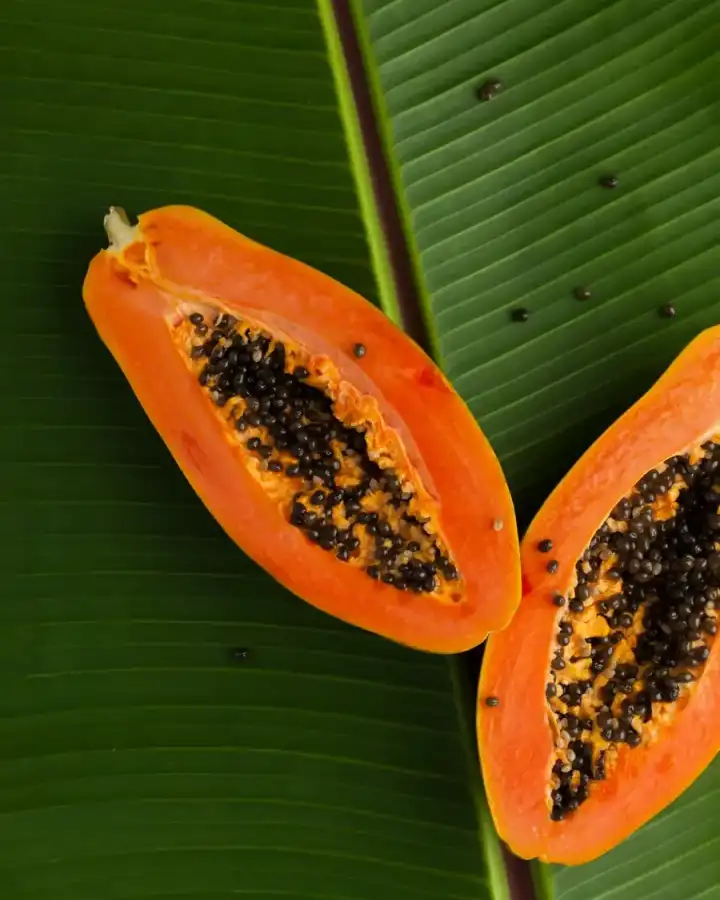
- Fresh fruit counts as dessert too. Mango, banana and papaya often end a meal; see tropical fruits of the Maldives.
- Toddy is not alcohol in its fresh form, but it ferments quickly, which is why cooks boil it into syrup straight away. Alcohol is not allowed on local islands.
- Ask before photographing someone’s home kitchen or family meal.
For the wider picture of island cooking, start with Maldivian food: dishes to try.
Questions people ask
What is the most famous Maldivian dessert?
Bondibaiy is the dish most Maldivians would name first. It is rice cooked slowly in coconut milk with sugar, often flavoured with cardamom or pandan, and it appears at Eid, weddings and celebrations for a new baby. Families cook it in large pots to share with neighbours. It is often eaten with a salty side such as smoked tuna, which balances the sweetness well.
What is dhiyaa hakuru?
Dhiyaa hakuru is the Maldivian coconut honey: sap from the coconut palm, boiled for hours until it turns into a thick, dark syrup. It sweetens crepes, puddings and coconut sweets, and is also eaten with flatbread or rice. Cooked even longer, it becomes karu hakuru, a pale, creamy paste. Toddy tapping has declined, so real hakuru is now a treat rather than an everyday ingredient.
What is foni boakiba?
Foni boakiba is a sweet Maldivian cake, usually cut into squares. Descriptions vary between islands and families: some versions use rice flour, coconut, sugar and rose water, while others are simpler flour cakes. It is commonly made for iftar during Ramadan and for festive tables. The word foni means sweet, which separates it from kulhi boakiba, the spicy fish cake eaten at Eid.
Are Maldivian sweets vegetarian?
Most are. The core ingredients are coconut, rice or other starches, sugar, flower water and spices, so puddings such as bondibaiy and coconut sweets like huni hakuru are usually vegetarian. Some recipes include eggs or milk, and a few people use condensed milk. Vegans should ask about egg and dairy, but they will still find plenty to try, especially fruit and coconut-based sweets.
When is the best time to try traditional sweets?
Ramadan and Eid are the best times. Before Ramadan starts, families hold maahefun gatherings with sweets such as aveli and foni faaroshi. During the month, iftar tables fill with puddings and cakes, and Eid brings bondibaiy and special dishes such as kunbus in some islands. Outside these times, afternoon tea at a local café is your best chance.
Can I take Maldivian sweets home?
Usually, yes, if they are sealed and you check the rules first. Each country decides what food travellers may bring in, and homemade or dairy-based items are often restricted. Packaged sweets and syrups travel best. Declare food if your home country asks you to, and leave fresh puddings behind, as they will not keep in the heat.


