


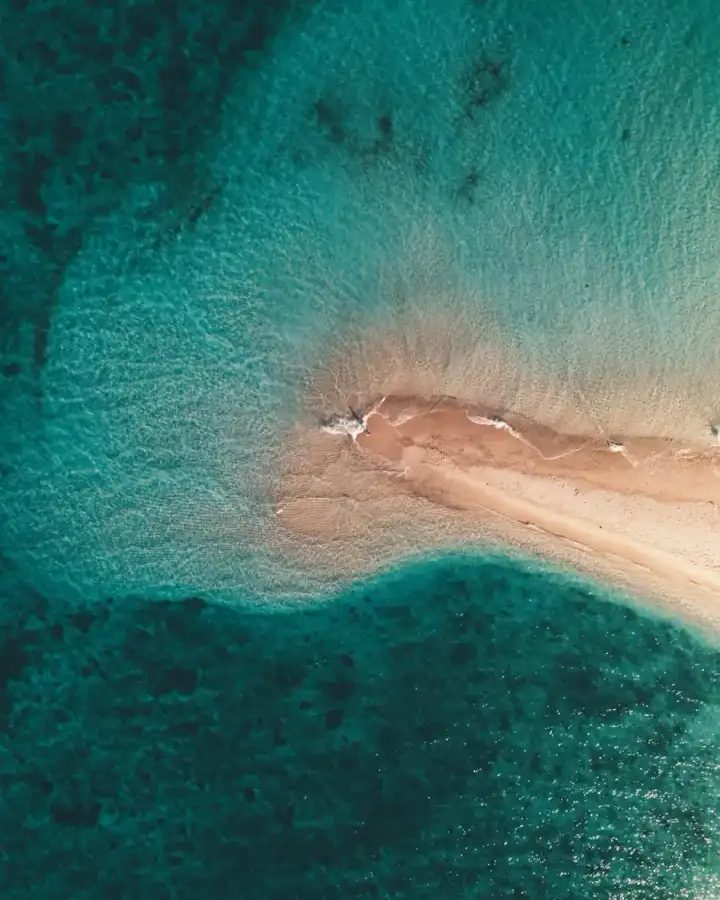
Uninhabited islands in the Maldives: can you visit?
What uninhabited really means in the Maldives, how picnic and leased islands work, how to visit on a day trip and the rules that keep these islands wild.
 By Dhiffushi Island Council8 min readUpdated
Yes, you can visit uninhabited islands in the Maldives, but almost always on an organised day trip from a local island or a liveaboard, not on your own. No uninhabited island is ownerless. Each one is managed by the state, a council or a leaseholder, so you go with someone who has permission, follow their rules and leave nothing behind.
This guide explains what “uninhabited” means in the Maldives, how these islands are used, what a visit is like and the rules that keep them wild.
What “uninhabited” means in the Maldives
The Maldives has around 1,200 coral islands, and only some of them have permanent communities. The Maldives Bureau of Statistics sorts islands by how they are used. In the 2022 census it counted people living on:
- 187 inhabited islands – the local islands with their own island council, mosque, school and harbour, such as Dhiffushi.
- 168 resort islands – private islands leased for tourism, each with its own rules.
- 106 industrial islands – islands used for things like fish processing, the airport, power, storage or waste.
Every other island is, in everyday language, uninhabited. That covers a huge range: wooded islands with coconut palms and thick scrub, small vegetated islets on the reef edge, and sandbanks (finolhu) that are little more than a strip of sand that shifts with the seasons.
“Uninhabited” does not mean “unclaimed”. Uninhabited islands belong to the state. Many are assigned to an island council or a ministry, and some are leased to private parties for a set purpose. Others sit inside protected areas. So whenever you land on one, someone is responsible for it, and their rules apply.
How uninhabited islands are used
You might picture an empty desert island. Many are quieter than that, but they often have a job.
Leased and council islands
The government can lease uninhabited islands to councils or private parties for uses that benefit the public. In March 2024, President Mohamed Muizzu announced that 26 uninhabited islands were open for councils to apply for under a new regulation, and said the handover period would rise from 10 years to 25, as reported by Edition. The listed uses included farming, raising animals, drying and smoking tuna, aquaculture, boat building, workshops, picnic sites and water sports.
That means an island that looks empty from the boat might have a farm plot, a drying rack for fish or a small shelter for a caretaker. Treat it as someone’s workplace.
Picnic islands
“Picnic island” is the local name for an uninhabited island used for days out. Maldivian families have long taken boats to nearby islands at weekends and on holidays to swim, cook fish and relax in the shade. Guesthouses and excursion boats on local islands use some of the same islands for visitor trips.
Picnic islands near Malé have sometimes been leased for resort development over the years, which has been controversial with residents who used them. It is a reminder that access can change.
Protected islands
Some uninhabited islands, and the reefs and lagoons around them, are part of the Maldives’ protected areas. Others are important for nesting seabirds or turtles, or have mangroves and wetlands. Rules here are stricter, and landing may not be allowed at all. Read more in protected areas of the Maldives.
Can you visit an uninhabited island?
In practice, yes, as part of a trip.
The usual way: a day trip from a local island
Most independent travellers reach an uninhabited island on a half-day or full-day excursion from the local island where they are staying. A typical trip combines a boat ride, snorkelling on a reef, and a few hours on a picnic island or sandbank. Some include a simple lunch, often grilled fish and rice, cooked by the crew.
On Dhiffushi, the island’s excursions page explains the sandbank, dolphin and island-hopping trips that leave from the harbour: see Dhiffushi excursions and the things to do list. For how sandbank trips work in general, read our sandbanks and picnic islands guide.
Liveaboards
Dive and cruise boats sometimes stop at uninhabited islands for a beach break or a sunset barbecue. The operator arranges this. See liveaboards in the Maldives.
Why you cannot simply go alone
- Boats – there is no public transport to uninhabited islands. Public ferries and shared speedboats run between inhabited islands and Malé only.
- Permission – landing on a leased, council or protected island depends on whoever manages it. Licensed operators know which islands they can use.
- Safety – currents in the channels between islands can be strong, and reefs make landing tricky. Don’t try to swim or paddle out to an island you can see from shore.
Staying overnight
Don’t plan to camp on an uninhabited island unless your trip organiser or the island council has confirmed it is allowed for that island. Rules differ from place to place, and there is no general right to camp. If a council or operator offers an overnight stay, ask what is provided, from shade and toilets to drinking water and a way to call for help.
What a visit is like
Expect simple, beautiful and basic.
- No facilities. Usually there are no toilets, shops, fresh water or shade beyond the trees. Bring water and sun protection.
- Little or no phone signal on some islands, depending on distance from the nearest tower.
- Soft coral sand that gets very hot by midday. Water shoes help.
- Wildlife. Hermit crabs, herons, reef sharks in the shallows and fish around the reef edge.
- Tides. Sandbanks can shrink to almost nothing at high tide.
The sun is strong and shade can be scarce, so pack a hat, a long-sleeved top and reef-safe sun cream.
What to wear
Uninhabited islands away from local communities are where many trips let you swim in normal swimwear. Follow the crew’s lead, and cover up again before you return to the local island harbour. No nude or topless sunbathing anywhere in the Maldives. See what to wear in the Maldives.
The rules that keep islands wild
Many of these islands look untouched because people treat them with care. Please do your part.
Leave no trace
- Take every bit of rubbish back to the boat, including food scraps, bottle caps and cigarette ends.
- Don’t light fires unless the crew is cooking in a set spot.
- Don’t cut branches, coconuts or plants. Trees hold the sand in place.
- Don’t build things or dig large holes on beaches where turtles may nest.
Shells, coral and sand
Don’t collect shells, coral, sand or anything else from the beach or reef. Many marine products need a permit to leave the country under Maldives Customs rules, and taking them harms the island. Photos are the only souvenir. Read coral reefs of the Maldives.
Wildlife
- Keep away from nesting birds and turtle tracks.
- Don’t feed fish, rays or sharks. Feeding sharks is illegal, and feeding rays and whale sharks is banned under the Protected Species Regulation.
- Don’t touch or stand on coral when you snorkel off the beach.
Respect the managers
If a caretaker, farmer or council worker is on the island, say hello and follow what they ask. If a sign says no landing, stay on the boat. A drone needs its own permits as well as the island manager’s permission.
Planning your trip
- Base yourself on a local island. Excursions to picnic islands and sandbanks leave from most local islands with guesthouses. Our local islands guide explains how they work.
- Ask what is included. Lunch, snorkel gear, shade and drinking water vary.
- Check the weather. Trips can be cancelled when the sea is rough.
- Go early or late. The light is softer and the sand is cooler.
- Know the difference from resorts. Resorts are private islands with their own rules, not places to land on a whim. See local island vs resort.
To plan a stay on Dhiffushi, start with how to get to Dhiffushi.
Questions people ask
Can you visit an uninhabited island in the Maldives?
Yes, usually on an organised excursion from a local island or as a stop on a liveaboard. Uninhabited islands are owned by the state and are often assigned to a council, leased for a purpose or protected, so you go with an operator who has permission to land. There is no public transport to them, and you should never try to swim or paddle out to one alone.
Can you camp on an uninhabited island in the Maldives?
Don’t assume so. There is no general right to camp, and rules depend on who manages the island. Some councils or operators may arrange an overnight stay, but only plan one when they have confirmed it is allowed for that specific island. Ask what is provided, including shade, toilets, drinking water and a way to call for help, as most islands have no facilities at all.
How many islands in the Maldives are uninhabited?
The Maldives has around 1,200 coral islands. The 2022 census counted 187 inhabited islands, 168 resort islands and 106 industrial islands, so hundreds of islands have no permanent residents and no resort. Some of these are farmed, leased or protected, and others are small sandbanks that change shape with the seasons and tides.
What is a picnic island in the Maldives?
A picnic island is the local name for an uninhabited island used for days out. Maldivian families visit them to swim, cook fish and relax, and excursions from local islands use some of them for visitor trips. They usually have no facilities beyond shade from the trees, so bring water and sun protection, and take all your rubbish home.
Can I wear a bikini on an uninhabited island?
On many excursions to uninhabited islands away from local communities, normal swimwear is fine. Follow your crew’s guidance, as rules can depend on the island and who manages it. Cover your shoulders and knees again before you return to a local island harbour, and remember that nude or topless sunbathing is not allowed anywhere in the Maldives.
Can I take shells or coral from an uninhabited island?
No. Leave shells, coral and sand where they are. Many marine products need a permit to leave the Maldives under Maldives Customs rules, and removing them damages fragile islands and reefs. Take photos instead, and carry every bit of rubbish, including food scraps and bottle caps, back to the boat with you.


