Maldives sandbanks and picnic islands: a visitor guide
Bare coral sand in a turquoise lagoon: how sandbank and picnic island trips work from local islands, plus tides, sun safety, local rules and leave-no-trace tips.
 By Dhiffushi Island Council8 min readUpdated
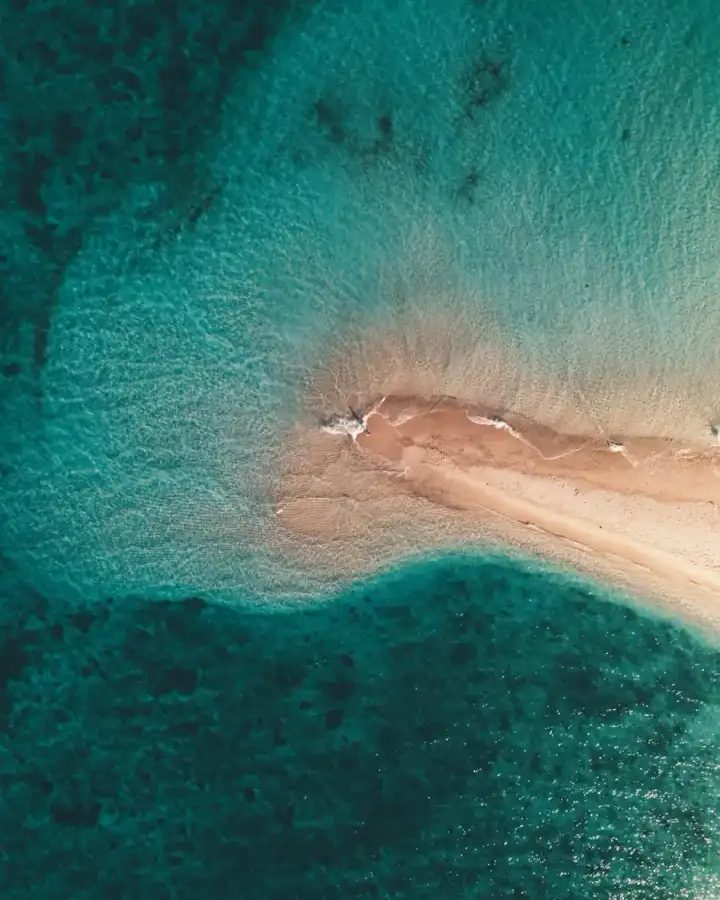
A sandbank is a strip of bare coral sand that rises out of a shallow lagoon. It may have no plants at all, and it changes shape with the tides and seasons. A picnic island is a small uninhabited island, usually with some shade, where people go to swim, snorkel and eat. From a local island you reach both by small boat on a half-day trip. There are no facilities, so bring water and sun protection and take every scrap of rubbish home.
What a sandbank actually is
The Maldives is built from coral. Waves and currents grind dead coral, shells and the skeletons of tiny reef creatures into fine white sand, then pile it up in sheltered spots inside the atolls. Where enough sand gathers on a shallow reef flat, it breaks the surface and becomes a sandbank. Locals call these spots *finolhu*.
A few things make sandbanks different from ordinary islands:
- They move. A sandbank can grow, shrink, change shape or vanish after a rough season, then come back somewhere nearby. Don’t trust old photos to show you what you’ll find.
- They are low. Many sit only a little above high water. Some are mostly covered at high tide.
- They have no shade. Most have no trees, no huts and no fresh water.
This shifting sand is part of how Maldivian islands form and change, as our guide Is the Maldives sinking? explains.
What a picnic island is
In the Maldives a “picnic island” usually means a small uninhabited island that people visit for the day. Maldivians themselves spend Fridays and holidays this way: a boat ride, a swim and a meal under the palms. Picnic islands usually have trees, some shade and more stable shores than sandbanks.
Some things to know:
- Every island has an owner or a status. In the Maldives, uninhabited islands belong to the state. Many are leased for resorts, farming or other uses. Some are protected, and some are kept for public recreation. Only land where you are allowed to.
- Facilities are rare. Most have nothing at all.
- They’re not resorts. Resorts are private islands with their own rules. A picnic island is far simpler and wilder.
How trips work from a local island
Most visitors see a sandbank on a trip from the local island where they are staying. The pattern is similar across the country:
- Booking. You usually book through your guesthouse or a licensed excursion provider on the island. Prices are often per person and drop with a bigger group.
- Boat. Trips use a small speedboat or a traditional *dhoni*. Ask whether life jackets are on board. They should be.
- Length. Half-day trips are the most common. Many combine the sandbank with a snorkelling stop.
- Timing. Your departure time depends on the tide and the weather, so it can change from day to day.
- What’s included. This varies. It often covers the boat, crew, snorkel gear and drinking water. Food may cost extra. Always ask before you pay.
- Variations. Some islands also offer sunset trips, sandbank dinners or overnight camping. These cost more and need calm weather.
To add other local islands to the day, see Island hopping in the Maldives.
Dhiffushi as an example
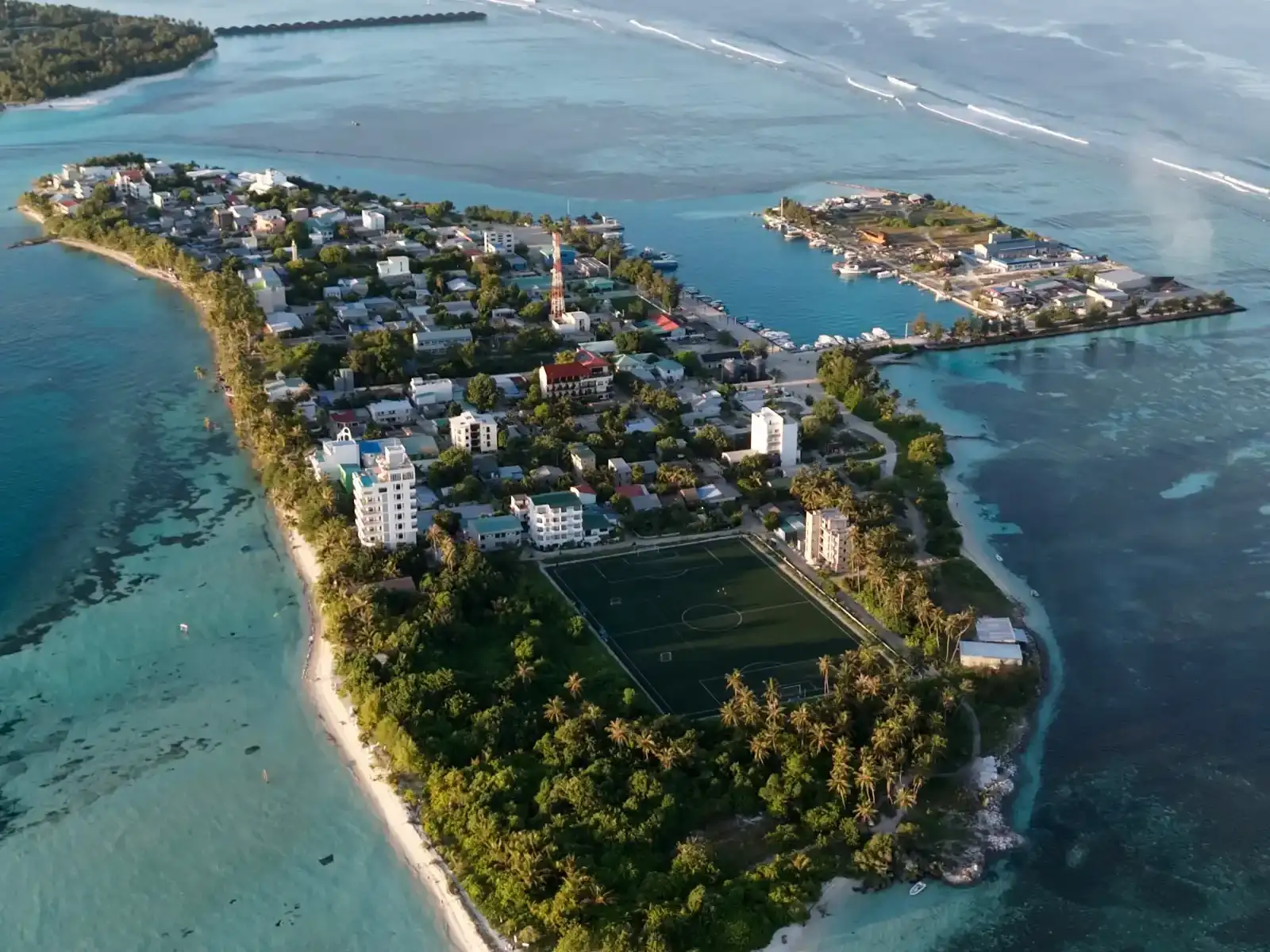
Dhiffushi sits on the eastern rim of North Malé (Kaafu) Atoll, about 37 km north-east of Malé. It has sandbanks in the lagoons close by. Most visitors join a short sandbank picnic trip. Our Dhiffushi excursions guide covers the trips in detail: typical lengths, what’s included and how they pair with dolphin cruises and island hopping.
Tides: why your trip time keeps changing
Tides in the Maldives are not huge, but on a low sandbank they matter a lot.
- Higher tide means less sand to stand on. A small sandbank can almost disappear.
- Lower tide means more beach, but the boat may struggle to get close. You may have to wade the last stretch over sand and coral.
- Spring tides come around the full and new moon. Highs are higher and lows are lower then, so the sandbank looks very different from one week to the next.
Your crew plans around all this, so if they move your trip by an hour, there’s a reason. Wear reef shoes for the wade ashore, and never walk across live coral.
Sun safety: there’s nowhere to hide
A sandbank is about as exposed as it gets. White sand and water reflect sunlight back at you, and near the equator the sun is fierce all year.
- Go early or late. Morning and late-afternoon trips are kinder than the middle of the day.
- Cover up. A long-sleeved rash vest, a wide-brimmed hat and sunglasses do more than any cream.
- Use reef-safe sunscreen, and put it on well before you get in the water.
- Drink more than you think. Bring plenty of water. Heat and salt water dehydrate you fast.
- Watch children closely. They burn and dehydrate faster.
Swimming and snorkelling safely
The water around a sandbank often looks like a calm swimming pool. It usually is, but not always.
- Currents can run along the edges of the lagoon and through channels in the reef. Stay close to the sandbank unless the crew says otherwise.
- Stay in sight of the boat and agree a signal for “come and get me”.
- Snorkel with a buddy. Never snorkel alone.
- Wear a life jacket if you are not a strong swimmer.
- Watch the weather. Squalls can blow in quickly, especially in the southwest monsoon. Follow the crew’s call to leave.
Local rules still apply
Trips from a local island follow local norms, even out at sea.
- No alcohol. It’s only allowed at licensed places such as resorts and liveaboards.
- Swimwear is fine on the sandbank and the boat, but cover shoulders and knees back in the village. See What to wear in the Maldives.
- No nude or topless sunbathing, anywhere in the Maldives, even on an empty sandbank.
- Friday prayers and Ramadan can change trip times.
Leave no trace
Sandbanks and small islands are fragile.
- Take all rubbish back with you, including food scraps, bottle caps and cigarette ends. There are no bins and nobody comes to collect.
- Don’t take sand, shells or coral. Many marine products need a permit to leave the country, and it’s simply better left where it is.
- Don’t build fires unless your crew has organised one in a safe, permitted spot.
- Give wildlife space. Seabirds may rest or nest on quiet sandbanks, and turtles nest on some beaches. Never disturb nests, chase birds or touch turtles.
- Don’t feed fish or touch coral.
More in our responsible travel guide.
Protected areas
The Maldives has designated a number of protected areas, and some of them are sandbanks, small islands, reefs or wetlands. Rules vary by site. Some places ban fishing, anchoring or taking anything away, and some limit visitors.
What this means for you:
- Go with a licensed local operator who knows which sites are protected.
- Never take anything from a protected area.
- Anchors break coral. Good crews use moorings or drop anchor on sand.
- If in doubt, ask your guesthouse or the island council.
What to bring
Keep it light:
- Plenty of drinking water
- Rash vest, hat, sunglasses and reef-safe sunscreen
- Reef shoes or water sandals
- Towel, and a dry bag for your phone and cash
- Snacks, if food isn’t included
- A bag for your rubbish
Full list: our Dhiffushi packing list.
When to go
Sandbank trips run all year. The northeast monsoon (January to March) is the dry season and often brings calmer seas. The southwest monsoon (mid-May to November) brings more rain and wind, so trips are moved or cancelled more often, though there are still many good days. Our best time to visit the Maldives guide has the month-by-month picture.
Questions people ask
Can you visit a sandbank from a local island?
Yes. Most local islands with guesthouses offer sandbank trips, usually as a half-day outing by speedboat or dhoni. You book through your guesthouse or a licensed excursion provider on the island. Times shift with the tide and weather, so confirm the day before. Ask what’s included, as food and snorkel gear vary from trip to trip.
What is the difference between a sandbank and a picnic island?
A sandbank is a bare patch of coral sand in a lagoon. It usually has no trees and no shade, and it changes shape with tides and seasons. A picnic island is a small uninhabited island, often with palms and some shade, used for day trips. Picnic islands are more stable, but neither usually has any facilities.
Can I drink alcohol on a sandbank?
Not on trips from a local island. Alcohol is only allowed at licensed places such as resorts, the airport hotel island and liveaboards, so sandbank trips from local islands are alcohol-free. You can’t bring alcohol into the Maldives either; customs holds it on arrival. Fresh coconuts and cold soft drinks are the local picnic favourites.
Can I wear a bikini on a sandbank?
Yes. Swimwear is fine on the sandbank and on the boat, as you’re away from the village. Nude and topless sunbathing is not allowed anywhere in the Maldives. Bring a light cover-up for when you walk back through the island, where shoulders and knees should be covered away from the designated bikini beach.
Do sandbanks disappear at high tide?
Some do, at least partly. Many sandbanks sit only a little above the water, so a high spring tide can shrink a small one to a thin strip. That’s why boat crews time trips around the tide tables. Sandbanks also shift over months and years, growing in one place and wearing away in another.
Is it safe to swim at a sandbank?
Usually, yes, as the water is often shallow and calm. But currents can run along lagoon edges and through reef channels. Stay close to the sandbank and in sight of the boat, snorkel with a buddy and wear a life jacket if you’re unsure. Our health and safety guide has more.
Can I take shells or sand home?
No, please leave them. Shells, coral and sand are part of the island and reef. Many marine products also need a permit to leave the Maldives, and customs may stop you. Some sandbanks and islands are protected areas where taking anything is banned. A photo is the best souvenir.