


Photography in the Maldives: rules, etiquette and tips
How to take photos respectfully in the Maldives: asking first on local islands, mosques and security sites, drones, underwater rules and protecting your camera.
 By Dhiffushi Island Council8 min readUpdated
You can take photos almost everywhere in the Maldives, but on local islands the main rule is simple: ask before you photograph people, especially women and children. Keep cameras away from military and security sites, ask before filming inside a mosque, and get the right permits before you fly a drone. Underwater, keep your distance, never touch, and switch off the flash around mantas, whale sharks and turtles.
Why photo etiquette matters here
Clear water, white sand and huge skies make the Maldives easy to photograph. But on a local island you are photographing a place where people live, work and pray, not a stage set.
Many Maldivians are happy to be photographed if you ask. Some are not, and that is their right. The Constitution of the Maldives (Article 24) gives everyone a right to respect for their private and family life and their home. Treat that as the starting point for every photo you take.
Photographing people
Always ask first
- Ask before you take a photo of anyone, even from a distance. A smile, a gesture at your camera and a nod back is enough for a casual shot.
- Take extra care with women and children. Many families prefer that women and girls are not photographed by strangers, and some will say no politely. Don’t photograph a child without a parent’s clear agreement.
- Accept a “no” with a smile, and don’t take the photo anyway from further away or with a zoom lens.
- If asked, delete a picture in front of the person.
Everyday life and work
Fishermen unloading a catch or neighbours chatting on a joali seat at dusk make wonderful photos, but these are moments in people’s lives. Ask, keep it short, and don’t block work or walkways. Offering to send someone the photo is a kind gesture.
Dress and the camera
On local islands, swimwear belongs on the designated “bikini beach”. Keep swimwear shoots there, and cover up before walking back into the village. Our guide to what to wear in the Maldives explains the dress code.
Mosques, prayer and religious moments
Mosques are working places of worship, not tourist attractions. On local islands:
- Photograph mosque exteriors respectfully from the street. Avoid photographing people as they arrive for prayer or wash before it.
- Don’t go inside to take photos unless you have clearly been invited and given permission. If you are allowed in, dress modestly, take off your shoes and keep the camera low and quiet.
- Avoid filming during the call to prayer and Friday midday prayers, when many people gather.
- During Ramadan, be extra discreet, especially around iftar, when families break their fast together. Our Ramadan guide has more on local customs.
Some historic coral stone mosques are still in use. Ask the caretaker or island council before photographing inside, and never climb on walls or graves.
Government buildings, police and the military
In a small country, police, coastguard and defence sites sit close to everyday life.
- Don’t photograph or film military sites, Maldives National Defence Force (MNDF) personnel, vessels or bases, or police stations and officers on duty.
- Be careful around government buildings in Malé. A wide street scene is usually fine; close-ups of guards, gates and entrances are not.
- At Velana International Airport, avoid photographing security checks, immigration desks and airside operations.
- If an officer asks you to stop or to delete an image, do so politely.
The conditions attached to drone permits say security zones designated by the MNDF must be left out of any photography or filming. It is a sensible rule for any camera.
Drones
Drones need approval before every flight: a permit from the Ministry of Defence, applied for through the government’s oneGov portal, and then a permit from the Maldives Civil Aviation Authority. On a local island you also need the island council’s permission, and resorts have their own rules. Flying over Malé, near airports and near defence sites is restricted.
Even with permits, a drone hovering over houses or the bikini beach feels intrusive. Our full guide to flying a drone in the Maldives walks through the process step by step.
Underwater photography
The golden rules
- Don’t touch anything. Not coral, not turtles, not rays, not sand on the reef. Coral is a living animal, and a fin kick or a steadying hand can break years of growth. Read why in our coral reefs guide.
- Keep your distance. Stay at least 3 metres from mantas and whale sharks (4 metres from a whale shark’s tail), and a few metres from turtles.
- No flash. Switch off flash and video lights with mantas, whale sharks and turtles.
- Don’t chase. Chasing or blocking an animal’s path makes it more likely to swim away, and spoils the encounter for everyone.
- Never feed wildlife. Feeding sharks, rays and whale sharks is illegal in the Maldives.
Our manta rays guide explains the encounter code in full.
Practical tips for better shots
- Get close with a wide lens, not a zoom. Less water between you and the subject means sharper shots. Approach slowly and let the animal come to you.
- Shoot near the surface on sunny days. Natural light fades fast with depth. In shallow water around midday, colours stay strong without flash.
- Stay off the bottom. Kneeling to frame a shot stirs up sand that spoils photos and smothers coral.
- Check your housing before every swim. Clean the seal, check for hairs or sand, and test it in a bucket or sink before you go out.
- Use a wrist strap. A camera dropped off a boat in deep water is usually gone.
Protecting your gear from salt, sand and sun
Salt water, fine coral sand and humidity are hard on cameras and phones.
- Rinse in fresh water. After every swim, soak underwater housings and action cameras in fresh water, pressing the buttons to clear salt. Dry them before opening.
- Keep sand out. Change lenses or open battery doors away from the beach, out of the wind. A zip-lock bag is a cheap and handy shield.
- Use a dry bag on boats. Speedboat spray reaches everything. Keep cameras sealed until you are clear of the spray.
- Watch the heat. Keep phones and cameras out of direct sun on decks and beaches.
- Beware condensation. Lenses fog when you step from air conditioning into humid air. Give the camera a few minutes in its bag first.
Sunrise, sunset and night skies
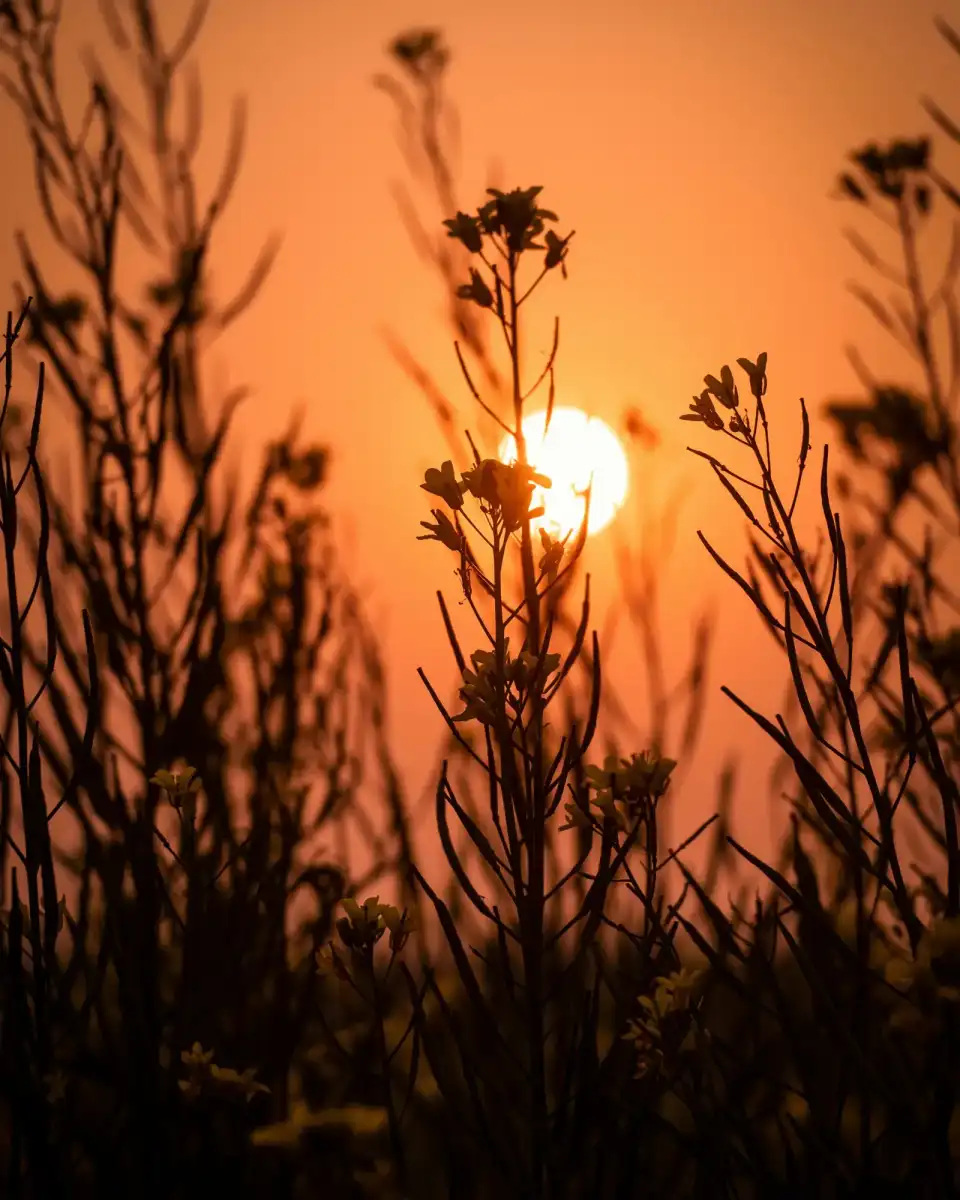
The light here changes fast. Sunrise in Malé falls roughly between 5:50 and 6:20am through the year, and the golden light lasts only a short while near the equator. Be in place early. The dry northeast monsoon, from January to March, tends to bring clearer horizons, while the wet season from mid-May to November can bring dramatic clouds.
Islands on the eastern rim of an atoll catch the first light. Dhiffushi, on the eastern edge of North Malé Atoll, calls itself the place “where the Maldives wakes first”, and its east beach sunrise spot is a favourite with early risers. Our sunrise and sunset guide has more timing and composition tips.
At night, a tripod and a long exposure on a dark beach can catch stars and, on lucky nights, glowing plankton. Keep torches away from nesting turtles.
Sharing your photos respectfully
- Only post people who agreed. A “yes” to a photo is not always a “yes” to posting it online. If in doubt, ask, or crop or blur faces.
- Don’t geotag sensitive spots. Think twice before tagging precise locations of turtle nests or quiet reefs.
- Keep captions kind. Describe local life with respect, not as something exotic or odd.
For everyday island manners, see our local island etiquette guide.
Questions people ask
Can I take photos of locals in the Maldives?
Yes, if they agree. Always ask first, with a smile and a gesture at your camera, and accept a “no” gracefully. Take extra care with women and children: many families prefer that they are not photographed by strangers, so ask a parent before photographing a child. The Constitution protects everyone’s right to respect for their private and family life, so treat consent as the rule, not a courtesy.
Can I take photos inside a mosque in the Maldives?
Only if you are clearly invited and given permission. Mosques are active places of worship, so photograph the outside respectfully and avoid people arriving for or washing before prayer. If you are allowed inside, dress modestly, remove your shoes and keep quiet. Avoid filming during prayer times, particularly Friday midday prayers. At historic coral stone mosques, ask the caretaker or island council first.
Is it illegal to photograph military sites in the Maldives?
Treat it as off limits. Avoid photographing Maldives National Defence Force sites, vessels and personnel, as well as police stations and officers on duty. Government guidance on drone use says security zones designated by the MNDF must be left out of any photography or filming. If an officer asks you to stop or delete a photo, comply politely. A wide street scene in Malé is usually fine; close-ups of guarded entrances are not.
Do I need a permit to fly a drone in the Maldives?
Yes. Every drone flight needs a permit from the Ministry of Defence, applied for through the oneGov portal, and then a permit from the Maldives Civil Aviation Authority. On a local island you also need the island council’s agreement, and resorts set their own rules. Flying over Malé, near airports and near defence sites is restricted. Our drone guide explains each step.
Can I use flash when photographing turtles or mantas?
No. Switch off flash and video lights around mantas, whale sharks and turtles. Bright light can disturb them, and with nesting turtles on the beach at night, torches and phone screens should stay off too. Near the surface on a sunny day, natural light gives strong colours anyway. Keep at least 3 metres from mantas and whale sharks, and never touch or chase any animal.
How do I protect my camera from sand and salt water?
Rinse housings, action cameras and phones in fresh water after every swim, pressing buttons to clear salt, and dry them before opening. Change lenses and batteries away from wind and sand, ideally inside. Use a dry bag on speedboats and keep gear out of direct sun. Let cameras adjust for a few minutes when moving from air conditioning into humid air, so the lens doesn’t fog.

