


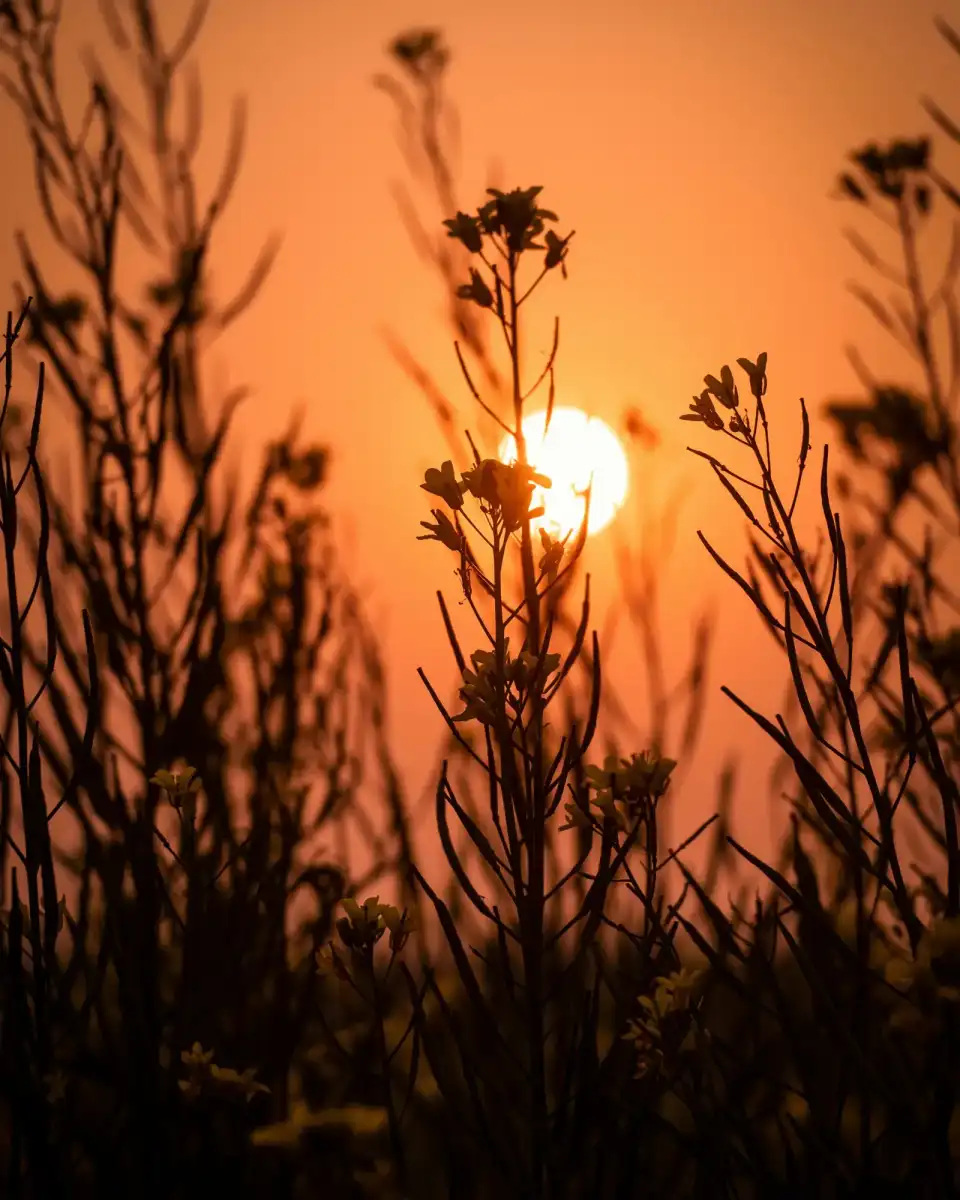
Sunrise and sunset in the Maldives: times and best spots
Sunrise is about 5:50–6:20am and sunset about 5:50–6:20pm all year. Times by month, where to watch, the first sunrise on Dhiffushi and photo tips.
 By Dhiffushi Island Council8 min readUpdated
In the Maldives the sun rises at about 5:50–6:20am and sets at about 5:50–6:20pm, all year round. Because the islands sit just north of the equator, days stay close to 12 hours long and the times barely move between seasons. For sunrise, find an east-facing beach; for sunset, a west-facing one or a boat out on the water.
Sunrise and sunset times through the year
The Maldives runs on Maldives Time, UTC+5, with no daylight saving, so the clocks never change. The times below are for Malé, worked out from standard solar calculations and cross-checked with a published sunrise-sunset data service. Treat them as a guide to within a few minutes, not a timetable.
| Month (mid-month) | Sunrise | Sunset | Daylight |
|---|---|---|---|
| January | about 6:15am | about 6:10pm | 11 h 54 m |
| February | about 6:20am | about 6:20pm | 12 h 0 m |
| March | about 6:10am | about 6:20pm | 12 h 5 m |
| April | about 6:00am | about 6:10pm | 12 h 13 m |
| May | about 5:50am | about 6:10pm | 12 h 19 m |
| June | about 5:55am | about 6:15pm | 12 h 22 m |
| July | about 6:00am | about 6:20pm | 12 h 20 m |
| August | about 6:05am | about 6:20pm | 12 h 16 m |
| September | about 5:55am | about 6:05pm | 12 h 8 m |
| October | about 5:50am | about 5:50pm | 12 h 2 m |
| November | about 5:50am | about 5:50pm | 11 h 56 m |
| December | about 6:05am | about 5:55pm | 11 h 53 m |
A few patterns worth knowing:
- Earliest sunrises come in May and again in October–November, just before 5:55am.
- Latest sunrises are in late January and February, close to 6:20am.
- Earliest sunsets fall in November, around 5:50pm. Latest sunsets are in July and early August, around 6:20pm.
- Day length only varies by about half an hour across the whole year.
Light comes well before the sun itself. Civil twilight, when it is bright enough to walk and take photos without a torch, starts roughly 20 minutes before sunrise and lasts about 20 minutes after sunset. If you want the pink and orange glow, be in place 20–30 minutes early.
Why the times hardly change
The Maldives stretches across the equator, with Malé at about 4 degrees north. Near the equator, the sun’s path through the sky stays almost the same all year, so there are no long summer evenings or short winter days as in Europe. The small shifts you do see come from the Earth’s tilted, slightly oval orbit, which is why sunrise and sunset often drift later or earlier together.
Where the sun rises and sets
The sun does not rise exactly in the east all year. Around June it comes up a little north of east and sets a little north of west. Around December it rises south of east and sets south of west. In practice, any beach facing broadly east will catch the sunrise and any beach facing broadly west will catch the sunset.
Sunrise on a local island
Most local islands are small, so you can often see both the sunrise and the sunset on the same day.
Dhiffushi: where the Maldives wakes first
Dhiffushi sits on the eastern rim of North Malé (Kaafu) Atoll and is the easternmost inhabited island in the Maldives. That makes it, as islanders like to say, the place “where the Maldives wakes first”. The East Beach faces straight out to the open ocean, with nothing between you and the horizon. The difference from Malé is small, only a minute or so, but there is something special about knowing that you are watching the first sunrise in the country.
A few things to know before you go:
- East Beach is not a bikini beach. Cover your shoulders and knees, as you would in the village.
- The shore is rocky in places, so wear reef shoes.
- People live close by, so keep voices low in the early morning.
- On 1 January, it is a fine spot to watch the first sunrise of the new year.
The Dhiffushi beach guide explains which beach is which.
Sunset on a local island
On local islands, the sunset beach is often the busiest place in the late afternoon. Families come down after the heat of the day and children swim. If the west-facing beach is a designated bikini beach, swimwear is fine there. On other beaches, and on the walk there, dress modestly. See what to wear in the Maldives.
In Dhiffushi, the South / Sunset Bikini Beach faces west and is a calm place to swim before the light goes. Bring mosquito repellent: insects come out at dusk.
Sunset from the water
Seeing the sun go down from a boat is one of the easiest and most affordable experiences in the Maldives. Many local islands offer short evening trips along channels and reef edges, often on a traditional dhoni. Spinner dolphins are often seen in the late afternoon, though sightings are never guaranteed. From Dhiffushi, see the sunset dolphin cruise page for what to expect and who runs it.
On any boat trip:
- Bring a light layer for the breeze on the way back.
- Keep cameras in a dry bag until you are clear of the spray.
- Boats should never chase dolphins or drive through a pod.
After dark, on some nights and some beaches, you may also see glowing plankton at the water’s edge. Our bioluminescence guide explains when and where.
Seasons and sky
The weather shapes your sunrise and sunset more than the clock does. The Maldives Meteorological Service describes two monsoons:
- Northeast monsoon (dry season), January–March. Skies are clearer and you are more likely to see the sun meet a clean horizon.
- Southwest monsoon (wet season), mid-May to November. There is more cloud and rain, but broken cloud often gives the most dramatic colours, especially at sunset. Some evenings, a band of cloud on the horizon hides the sun completely.
- April and December are transition months, with a mix of both.
The best time to visit the Maldives guide covers the seasons in more depth.
Photo tips
- Arrive early. The best colour is often 10–20 minutes before sunrise and after sunset, not when the sun is on the horizon.
- Expose for the sky. Tap on the bright part of the sky on a phone to stop it washing out. Silhouettes of palms, boats and people work well.
- Use the water. Calm lagoon water reflects colour; wet sand at the tideline does too.
- Keep it steady. Rest your phone on a rock or bag, or bring a small tripod, for the low light after sunset.
- Respect people. Ask before photographing local residents, especially women and children.
- Drones need permits and permission. Read our drone rules guide before you fly one at sunrise.
Look out for the “green flash”, a brief flicker of green at the very top of the sun as it disappears. It needs a clear, flat horizon, so open-ocean sunsets in the dry season give you the best chance.
Prayer times, sunrise and sunset
The Maldives is a Muslim country, and two of the five daily prayers are tied to the sun. Fajr, the dawn prayer, is said before sunrise, and Maghrib is said just after sunset. On a local island you will hear the call to prayer from the mosque at both times, and it is part of the atmosphere of an island sunrise or sunset.
You do not need to do anything special, but it helps to:
- Keep music and voices low near mosques during prayer.
- Expect some small shops and cafés to close briefly around Maghrib.
- During Ramadan, the fast ends at sunset and the streets come alive soon afterwards.
Daily prayer times are published nationally and shift with the sun. For more on daily life and customs, see our guide to Maldivian culture, people and language.
Questions people ask
What time is sunrise in the Maldives?
Sunrise in the Maldives is between about 5:50am and 6:20am local time, depending on the month. The earliest sunrises are in May and in October–November, and the latest are in late January and February. The sky starts to brighten about 20 minutes before the sun appears, so arrive early if you want the best colours. The country uses UTC+5 all year with no daylight saving.
What time is sunset in the Maldives?
Sunset is between about 5:50pm and 6:20pm local time. November has the earliest sunsets, around 5:50pm, and July and early August the latest, around 6:20pm. Darkness comes quickly near the equator, with about 20 minutes of twilight, so plan beach walks and boat trips accordingly.
Where is the first sunrise in the Maldives?
Dhiffushi, on the eastern rim of North Malé (Kaafu) Atoll, is the easternmost inhabited island in the Maldives, so it is the first inhabited island to see the sun each morning. Its East Beach faces the open ocean. The difference from Malé is only a minute or so, but it makes a memorable early start, especially on New Year’s Day.
Can you see both sunrise and sunset from the same island?
Usually, yes. Most local islands are small enough to cross on foot in a few minutes, so you can watch the sunrise from an east-facing beach and the sunset from a west-facing one on the same day. Only designated bikini beaches allow swimwear; elsewhere, cover shoulders and knees.
Which month has the best sunsets in the Maldives?
Clear horizons are more likely in the dry northeast monsoon, from January to March, which suits sunset photos and the chance of a green flash. The wet southwest monsoon, from mid-May to November, brings more cloud, which can produce vivid colours but sometimes hides the sun entirely. Any month can deliver a beautiful sunset; the weather on the day matters most.
Does the Maldives change its clocks?
No. The Maldives keeps Maldives Time, UTC+5, all year and does not use daylight saving. Near the equator, day length changes by only about half an hour a year, so there is little need. Sunrise and sunset stay close to 6am and 6pm in every season.

