Coastal erosion in the Maldives: beaches, seawalls, change
Why Maldivian beaches shift and shrink, how many islands report severe erosion, how seawalls and sandbags work, and how visitors can help.
 By Dhiffushi Island Council8 min readUpdated
Yes, coastal erosion is a real and common problem in the Maldives, especially on inhabited islands. Government figures show more than half of inhabited islands reporting severe erosion in the 2010s. Much of it comes from natural seasonal shifts in sand, made worse by harbours, reclamation and seawalls. For visitors it mostly means beaches that change shape through the year, rock or sandbag defences in places, and a good reason to look after reefs.
What coastal erosion means on a coral island
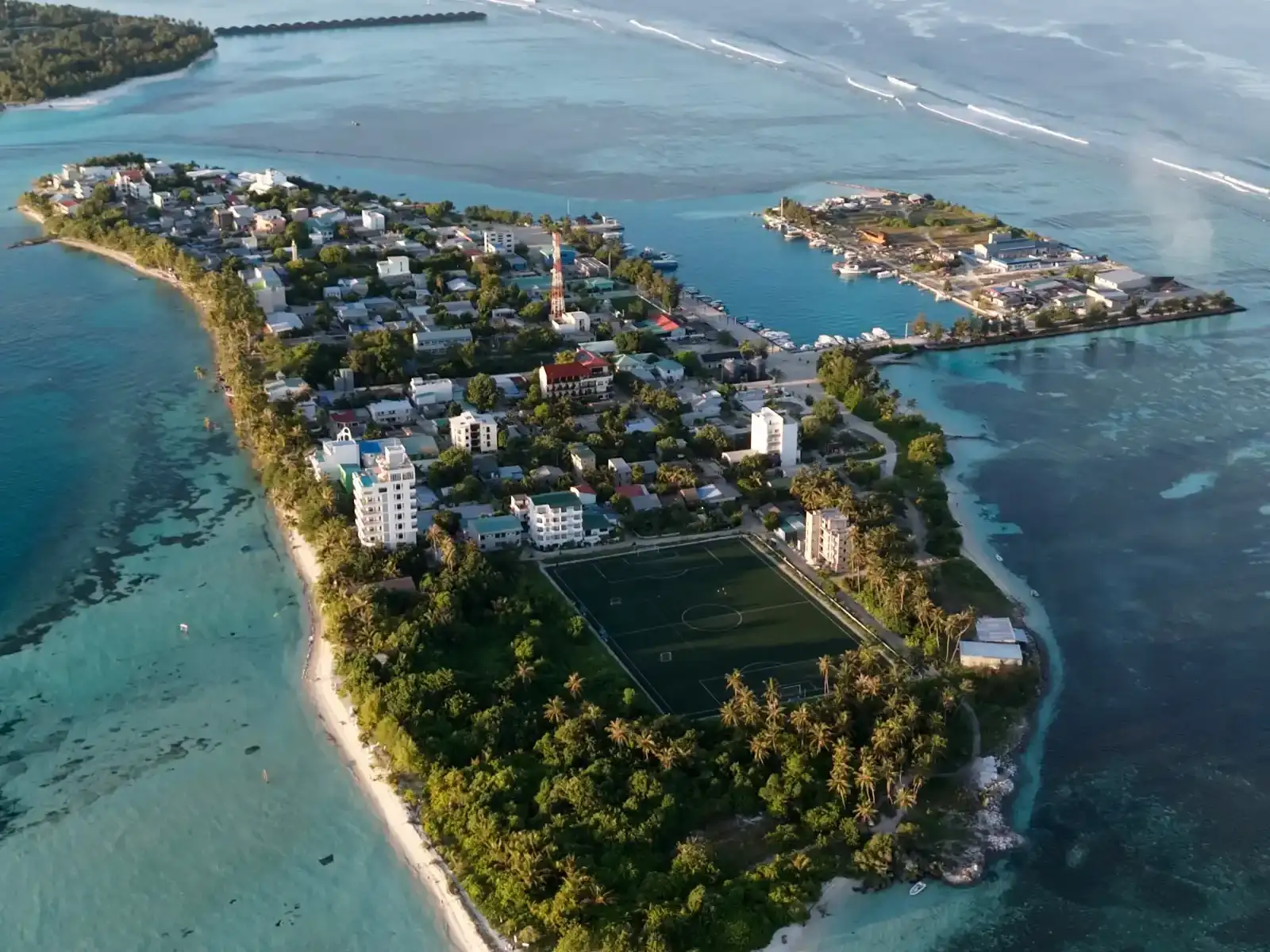
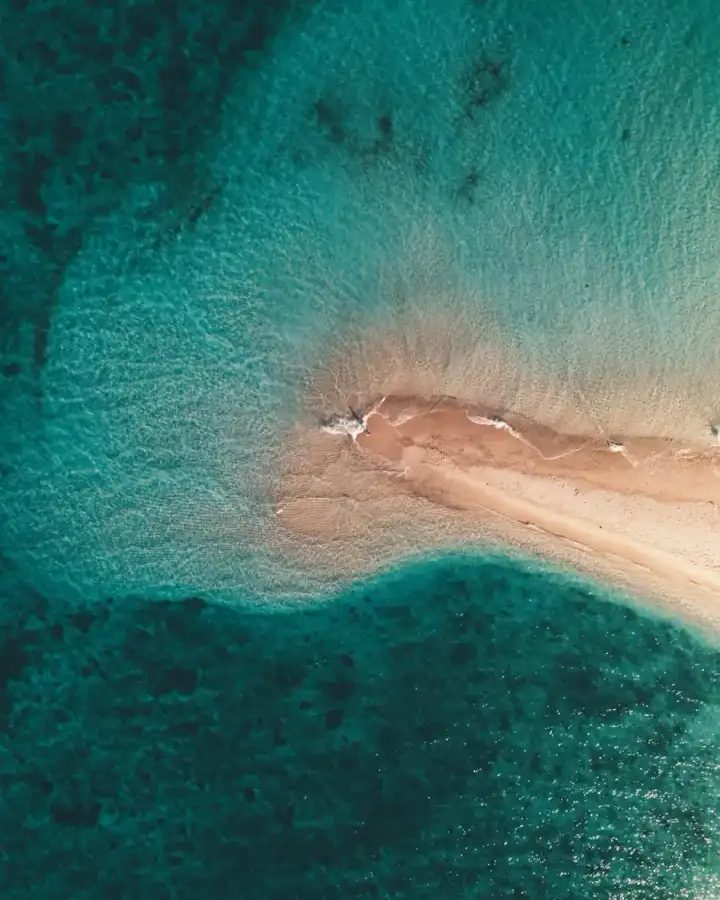
Maldivian islands are piles of sand and broken coral sitting on reef platforms. The sand is made by the reef itself: by parrotfish, broken coral and shells. Waves and currents then push that sand around the island.
That makes the shoreline restless by nature. A beach can grow on one side of an island and shrink on the other within a few months. Erosion becomes a problem when sand leaves and does not come back, or when it is lost from a stretch where houses, roads, mosques or harbours sit close to the water.
On most local islands, homes are a short walk from the shore, so a few metres of lost beach matters.
How big is the problem?
The best official numbers come from island and atoll offices, compiled by the former Environmental Protection Agency and published in the Statistical Yearbook by the national statistics office:
- 2012: 89 inhabited islands reported severe erosion
- 2013: 109 inhabited islands
- 2014: 114 inhabited islands, out of 187 inhabited islands at the time
That is about six in ten inhabited islands reporting severe erosion in a single year. Later statements by environment ministers have put the figure higher still. One minister told an international roundtable that more than 90% of islands report annual flooding and shoreline erosion, and that 64% face severe erosion.
These are council-reported figures, so treat them as a picture of scale rather than a precise count. More recently, the environment ministry has said it used a monitoring tool to track coastal change across the islands from 2015 to 2023, and is building a coastal hazard map from councils’ erosion reports, with 102 islands mapped so far (as reported by PSM).
Why beaches erode
Natural, seasonal shifts
The Maldives has two monsoons: the northeast monsoon (iruvai) and the southwest monsoon (hulhangu). When the wind and waves change direction, sand moves with them.
A peer-reviewed study of eight islands in South Maalhosmadulu (Baa) Atoll by Kench and Brander (2006, Journal of Geophysical Research) found that beaches moved a great deal between seasons, but that the net change over a full year was small. In other words, much “erosion” is sand on a seasonal journey around the island. Read more in our guide to the Maldivian monsoons.
Storms and swell
Strong swell, especially in the southwest monsoon, can strip a beach in days. High waves flooded Malé in 1987, which led to the seawall now wrapped around the capital. Our weather hazards guide explains swell and storm alerts.
Harbours and breakwaters
Most local islands now have a dredged harbour with breakwaters. These are vital for boats and ferries, but they block the natural flow of sand along the shore. Sand piles up on one side and the beach downstream starves.
Reclamation and dredging
Pumping lagoon sand to make new land changes how waves reach the shore and can cloud nearby reefs. See land reclamation in the Maldives covers this in more detail.
Taking sand
Removing sand from islands is banned, because it speeds up erosion. Even so, national news still reports illegal sand removal, and island councils have stepped in to have sand returned to the shore (as reported by Edition, July 2026).
Damaged reefs
Healthy reefs break waves before they reach the beach and make fresh sand. When coral bleaches and dies, both jobs suffer. See coral reefs of the Maldives.
People are now the main driver of change
A large study by Duvat and Magnan (2019, Scientific Reports) compared satellite images of 608 Maldivian islands from around 2004–06 and 2014–16. It found that change over that decade was fast and mostly caused by people rather than climate.
By 2014–16, among the inhabited and otherwise used islands in the study (resorts, airports, industrial islands):
- about 65% had reclaimed land
- about 53% had a proper harbour
- about 52% had seawalls or similar structures along the shore
- about 29% had groynes
The authors judged that about one in five of these islands had almost or entirely lost its natural ability to adjust to the sea. This sits alongside other research showing many islands have grown in area, often because of reclamation. Our guide Is the Maldives sinking? explains why “growing” and “safe” are not the same thing.
How islands protect their shores
Seawalls and revetments
A seawall is a vertical wall at the back of the beach. A revetment is a sloping bank of rock, concrete blocks or sand-filled bags. Both hold the land in place, but waves bouncing off them can scour away the sand in front, so beaches often narrow over time.
The best known is Malé’s seawall. After the 1987 high waves, Japan funded emergency breakwaters and then a seawall of about 6 km around the whole island, finished in 2002, much of it fronted by concrete tetrapods. Japanese government sources credit it with shielding Malé during the 2004 tsunami. Our Malé guide covers the capital itself.
Groynes and breakwaters
Groynes are short walls built out into the lagoon at right angles to the beach. They trap sand moving along the shore. Offshore breakwaters calm the waves before they arrive. Both help one stretch of beach, sometimes at the expense of the next.
Sandbags
On many smaller islands, communities fill large geotextile bags with sand as a quick, cheaper defence. Councils often describe these as a temporary fix while they wait for a full project.
Beach nourishment
Nourishment means pumping or trucking sand back onto a beach. It keeps a natural-looking shore, but sand has to be replaced from time to time, and dredging it can affect reefs. Projects need environmental approval.
Nature-based protection
Healthy reefs, seagrass meadows, mangroves and coastal vegetation all slow waves and hold sand. Beach shrubs bind the sand behind the beach, and clearing them often makes erosion worse.
What the government is doing
Coastal protection projects are funded by the state and by partners. The environment ministry has said shore protection work is under way with support from the Green Climate Fund and the Japan International Cooperation Agency (JICA), and that a national coastal protection policy is being drafted. Projects named include Gan, Isdhoo and Fonadhoo in Laamu Atoll and Meedhoo in Addu (as reported by PSM). Island councils regularly press for faster work, and delays are a frequent story in national news.
What it means for visitors
- Beaches change. A beach that is wide in one season may be narrow or even gone in another, and come back later. Photos online may be from a different time of year.
- Expect defences in places. Rock walls, sandbags or tetrapods are a normal sight on local islands, especially near harbours. Bikini beaches are usually on the most stable sandy stretches.
- Take care on rock walls. Rocks and blocks are slippery and gaps can trap feet. Don’t climb tetrapods, and don’t swim beside harbour walls where boats pass.
- Check currents. A beach that has narrowed can mean deeper water and stronger currents close to shore.
On Dhiffushi, as on any local island, the best place to swim depends on the season and the boat lanes. Our Dhiffushi beach guide explains where to go.
How you can help
- Never take sand, coral or shells, even small amounts. Removing sand from islands is banned, and many marine products need a permit to leave the country.
- Don’t trample or cut beach plants; use paths through the vegetation.
- Don’t stand on coral or kick up sand when snorkelling.
- Choose reef-friendly habits and avoid single-use plastic.
- On sandbanks and picnic islands, take everything home with you.
More ideas are in our responsible travel guide.
Questions people ask
Are Maldives beaches disappearing?
Some are, many shift with the seasons, and others have grown. Official figures show well over half of inhabited islands reporting severe erosion in the 2010s, often near harbours or reclaimed land. But much beach loss is seasonal: sand moves to the other side of the island and returns when the monsoon changes. The overall picture is change rather than steady disappearance, and it varies island by island.
What causes coastal erosion in the Maldives?
Natural seasonal shifts of sand with the two monsoons are the starting point. Storms and swell can strip beaches quickly. Human works make things worse: harbours and breakwaters block sand moving along the shore, reclamation and dredging change waves and cloud reefs, and illegal sand removal takes material away. Damaged reefs also produce less sand and break fewer waves before they reach the island.
Why are there rocks and sandbags on the beach?
They are coastal defences. Rock revetments, seawalls and large sand-filled bags hold the land in place where erosion threatens homes, roads or harbours. Sandbags are often a quick, temporary measure put in by the island community. They are a normal sight on local islands, so swim on open sandy stretches, take care on slippery rocks, and keep away from harbour walls.
Is it worse in one season?
Beaches tend to change most when the monsoon switches, as the wind and waves change direction. The southwest monsoon, roughly mid-May to November, brings rougher seas and swell that can strip sand quickly on exposed shores. In the drier northeast monsoon, sand often builds back. Which side of an island is affected depends on its shape and position on the reef.
Can I take sand or shells home?
No. Removing sand from islands is banned in the Maldives because it speeds up erosion, and many marine products, including coral and shells, need a permit to leave the country. Customs can confiscate them at the airport. A photo is the best souvenir of the beach; leave the sand and shells where they belong.
Is the Maldives sinking because of erosion?
Erosion and sea level rise are related but different. Erosion moves sand around and can eat into an island’s edge. Research shows many islands have kept their size or grown, often because of reclamation. The bigger long-term risk is rising seas and flooding on very low islands. Our guide to whether the Maldives is sinking explains the science.