


Maldives itinerary 14 days: a local island route
An example two-week route across three atolls on local islands, from an east-rim sunrise island to South Ari’s whale sharks and a quiet final stop.
 By Dhiffushi Island Council8 min readUpdated
Two weeks is enough to see three quite different sides of the Maldives without rushing: an east-rim island near Malé, a whale shark atoll to the south-west, and a quieter, slower island to finish. This example route stays on local islands in guesthouses, links them by speedboat, public ferry or a short domestic flight, and keeps two spare days for weather. It is one way to do it, not the only way, so swap any stop for another island that suits you.
How this two-week route works
The plan uses three bases and a last night near the airport. Moving every two days wastes time on boats; three bases give you three to five nights in each, enough to settle in and still have spare days when the sea turns rough.
Almost every journey in the Maldives runs through Malé and Velana International Airport, on Hulhulé. Boats and flights fan out from there, and direct links between atolls are rare, so the route returns towards Malé between bases. It looks like backtracking, but it is usually the most reliable way to connect.
| Days | Base | Atoll | Main reason to go |
|---|---|---|---|
| 1–5 | Dhiffushi (or another east-rim island) | North Malé (Kaafu) | Sunrise, reefs, sandbanks, easy start |
| 6–10 | A South Ari local island | Ari (Alif Dhaal) | Whale sharks, mantas, long beaches |
| 11–13 | A Vaavu local island, or Baa as an alternative | Vaavu or Baa | Quiet island life, channels or mantas |
| 14 | Malé or Hulhumalé | Malé City | Shopping, buffer, departure |
Read our 7-day local island itinerary first: this plan’s opening week follows the same rhythm.
Before you go
- Entry. The tourist visa is free and issued on arrival for 30 days. You need an onward ticket, an accommodation booking or proof of funds, and a passport that meets your airline’s rules. Fill in the IMUGA Traveller Declaration online within 96 hours before you land, and keep your first guesthouse’s address to hand. Our visa and entry guide has the details.
- Leave transfers loosely planned. Book each base, but expect to confirm boat times with your guesthouse a day or two ahead.
- Cash. Carry some rufiyaa for ferries, small shops and cafés. US dollars are widely taken in tourism, but small change is easier in local currency.
- Insurance. Make sure your policy covers snorkelling or diving trips and delays.
Days 1 to 5: North Malé Atoll and an east-rim island
Day 1: arrive and cross to the island
Land at Velana, clear immigration and take a shared speedboat to your first island. Dhiffushi, on the eastern rim of North Malé Atoll, is about 37 km north-east of Malé and roughly 40–50 minutes away by shared speedboat. As the easternmost inhabited island, it is a fitting place to start. If you land late, sleep in Hulhumalé and cross in the morning. Our guide on how to get to Dhiffushi covers the options.
Days 2 to 5: settle in
Use these days to learn how a local island works. Walk the village, find the bikini beach, and get used to the rhythm of prayer times, tea breaks and evening football. The house rules are the same on every local island: no alcohol, swimwear only on the bikini beach, shoulders and knees covered elsewhere, and quiet respect during Friday prayer and Ramadan.
- Sunrise on the east shore. On an east-facing island, the day starts straight off the ocean.
- A snorkelling trip to nearby reefs, and an evening on the beach.
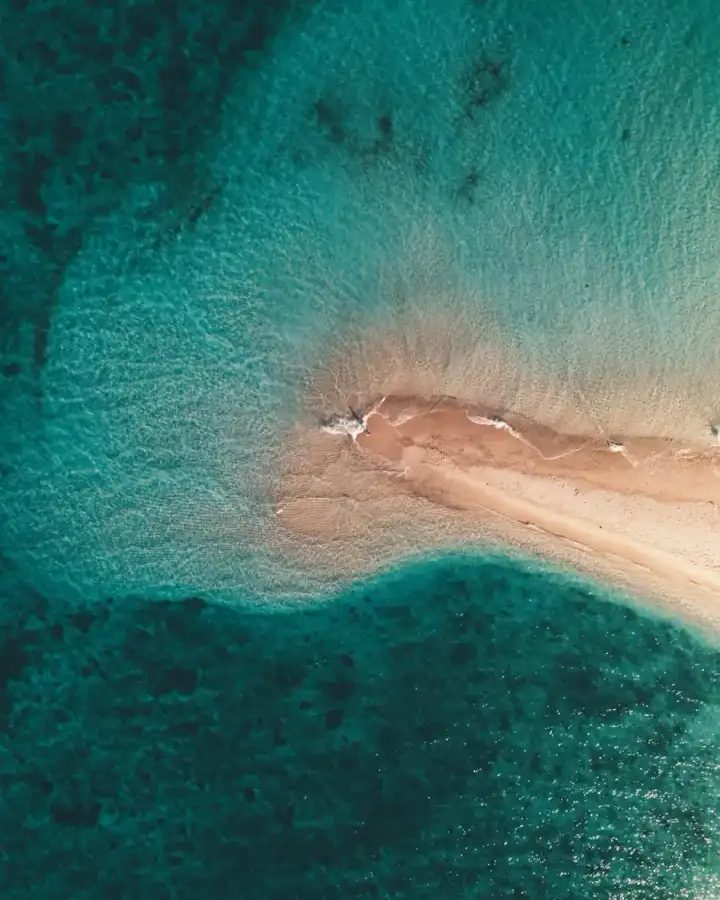
- A sandbank day. Bring water, a hat and reef-safe sun cream.
- Island hopping to a neighbouring local island or two.
The 3 days in Dhiffushi itinerary has a day-by-day plan you can stretch over four nights. Keep day 5 loose: it is your first buffer day.
Days 6 to 10: South Ari for whale sharks
Day 6: change atolls
Head back towards Malé and on to Ari Atoll. Shared speedboats run from the Malé and airport area to several South Ari islands; the crossing is longer and more exposed than inside North Malé Atoll, so morning departures are usually calmer. There is also a domestic airport at Maamigili in South Ari if you prefer to fly. Treat it as a travel day.
Days 7 to 10: the big animals
South Ari is known for whale sharks, which researchers report can be seen along the outer reef in any month. Islands such as Dhigurah and Maamigili are close to the area, and guesthouses arrange half-day trips to search for them. Mantas visit cleaning stations in the atoll too.
- Go out with a guide who follows the code of conduct: keep your distance, no touching, no flash, no feeding.
- Most of the South Ari whale shark area lies within the South Ari Marine Park, so follow the crew’s briefing.
Read swimming with whale sharks and the Ari Atoll guide before you choose an island. Day 10 is the second buffer: if whale shark trips were cancelled by wind, try again.
Days 11 to 13: a quiet third island
Option A: Vaavu
Vaavu, south of South Malé Atoll, is the least populated atoll in the country. It suits the end of a trip: small islands, very little traffic and channels known for sharks, rays and big schools of fish. Fulidhoo and Keyodhoo are two of its local islands with guesthouses. Getting there from Ari usually means going back via the Malé area, then a speedboat or the public ferry south. See the Vaavu Atoll guide.
Option B: Baa
If you are travelling between about July and October, Baa Atoll is a strong alternative. It is a UNESCO Biosphere Reserve, and Hanifaru Bay draws large groups of feeding mantas at peak season. Dharavandhoo, a local island in Baa, has a domestic airport, so most visitors fly from Malé. Swimming at Hanifaru is controlled and the rules and fees change from year to year, so check with your guesthouse before you go. See the Baa Atoll guide.
Either way, be back near the airport the night before you fly.
Day 14: Malé and departure
Return to the Malé area on day 13 or early on day 14. Spend a few hours in Malé for the fish market and the waterfront. Hulhumalé, next to the airport, is easier with bags and has a public beach, though bikinis are not allowed there. Allow plenty of time at the airport.
Getting between islands
- Shared speedboats. The main option for most tourists. They run to fixed schedules from the Malé and airport area and are booked through your guesthouse.
- MTCC public ferries. Cheap and slow, used by islanders. Pay in rufiyaa, and note that most routes don’t run on Fridays. Dhiffushi is on ferry route 308.
- Domestic flights. Useful for Baa or the far south. They fly from Velana to regional airports, then a short boat ride to the island.
Seaplanes fly only in daylight and serve mainly resort islands, so they rarely fit a local island trip. Our getting around guide explains each in more depth.
What two weeks costs, in words
Prices vary a lot by island, so we don’t quote them. As a guide to where the money goes:
- Rooms are the steadiest cost. Guesthouses on local islands are far more affordable than resorts, and the green tax is lower for small guesthouses (USD 6 per guest per night) than for resorts (USD 12).
- Transfers add up. Three changes of atoll, plus the airport, is a real line in the budget, and a domestic flight costs more than a speedboat.
- Trips are the biggest variable. A whale shark or manta day costs more than a house reef swim, so pick the ones that matter most to you.
- Taxes and service. Tourism GST is 17% (since July 2025), and a 10% service charge is commonly added to bills.
When to go
- January to March (northeast monsoon) is the dry season: calmer seas and the most reliable boat days.
- April and December are transition months.
- Mid-May to November (southwest monsoon) is wetter, with more wind and swell. Crossings can be bumpy or cancelled, so the buffer days matter more. Mantas gather on the eastern sides of the atolls in this season, and Baa’s Hanifaru peaks around July to October.
Read our best time to visit the Maldives guide before you fix dates.
Questions people ask
Is two weeks too long for the Maldives?
Not if you move between islands. A single resort can feel long after a week, but local islands change a lot from atoll to atoll: different reefs, different marine life, different villages. Three bases over fourteen days gives you enough variety to stay curious, and enough time on each island to rest. You also get spare days for bad weather, which shorter trips rarely have.
How many islands should I visit in 14 days?
Three bases is a comfortable number for most people. Each change of atoll usually means a trip back towards Malé and a half-day or more of travel, so four or five bases cuts into the time you came for. You can still visit extra islands on day trips from each base, such as island hopping or a picnic on a sandbank.
Can I travel between atolls without going through Malé?
Sometimes, but not easily. Most speedboats, ferries and flights start or end in the Malé and airport area, and direct links between atolls are few and change often. Planning each transfer through Malé is usually simpler and more reliable, even if it looks longer on the map.
Is this itinerary affordable?
It is far more affordable than two weeks at a resort, because guesthouse rooms, local food and the lower green tax keep daily costs down. The main costs to watch are transfers between atolls and paid excursions. You can save by spending more days on house reefs and beaches, taking public ferries where they fit, and choosing one big marine life trip rather than several.
What happens if bad weather cancels my boat?
Speedboats and ferries may not run in strong wind or high swell, mostly in the southwest monsoon. That is why this plan includes buffer days at the end of each base. Stay in touch with your guesthouse, keep your last night near the airport, and never plan a long crossing for the day you fly home.
Can I see whale sharks and mantas on the same trip?
Yes, often. Whale sharks can be seen in South Ari in any month, and mantas feed in different parts of the atolls depending on the season. A fortnight with a South Ari base gives you several chances at both. From about July to October, adding Baa raises your chances of seeing large groups of mantas.


