Dhiffushi history and island life: about Dhiffushi
About Dhiffushi island, Maldives: a fishing community that once funded projects with a day’s catch, built its own powerhouse and now welcomes guests.
 By Dhiffushi Island Council6 min readUpdated
Dhiffushi is a small fishing island on the eastern rim of North Malé Atoll (Kaafu Atoll), home to about 1,270 people at the 2022 census. Its story is one of a close community that has often paid for its own progress, from a community-run powerhouse to the guesthouses that have welcomed visitors since around 2010. This page covers Dhiffushi history, how island life runs day to day, and how tourism fits in.
About Dhiffushi island, Maldives
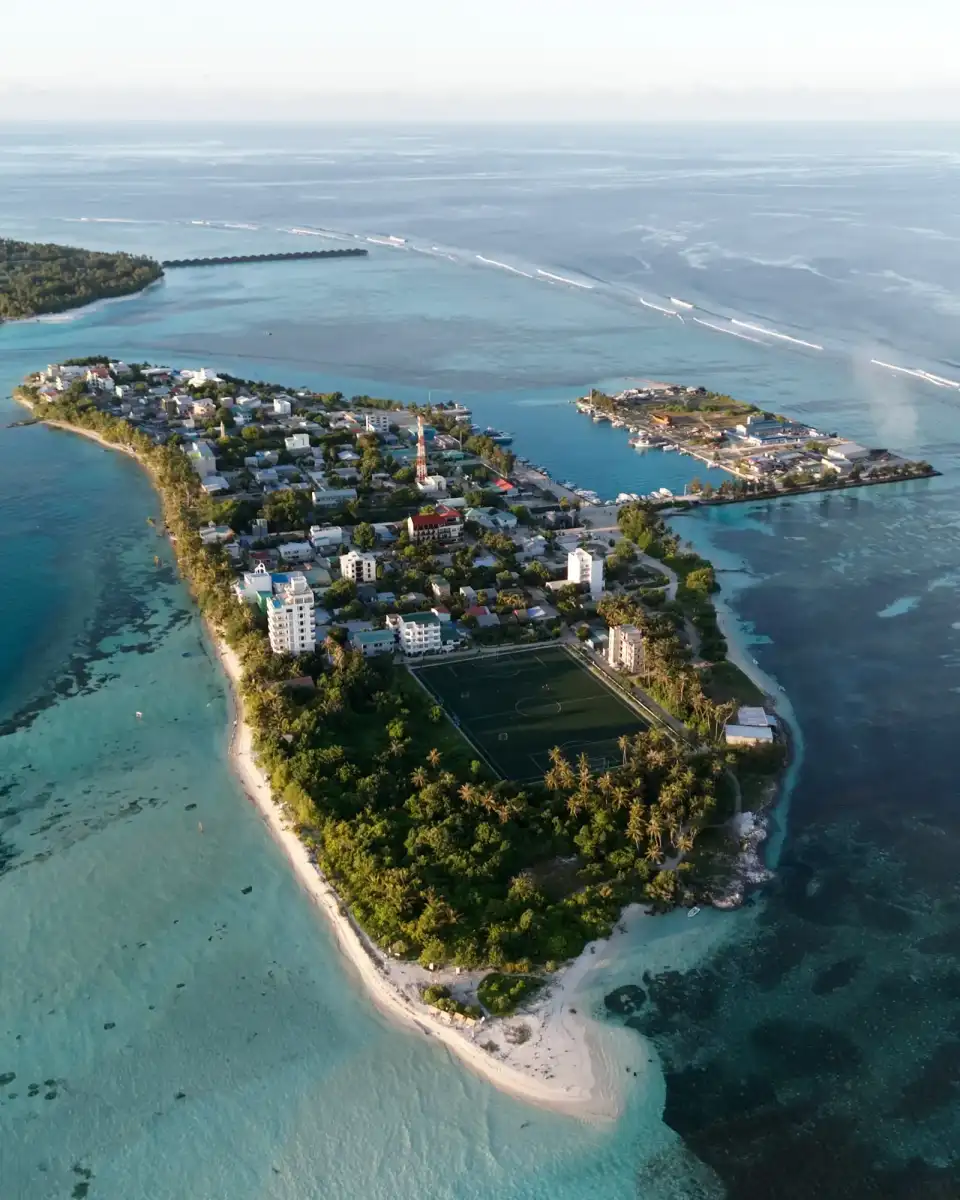
Dhiffushi lies about 37 km north-east of Malé, on the outer edge of the atoll facing the open Indian Ocean. The island is roughly 950 metres long and 200 metres wide, so you can walk from end to end in about 20 minutes. There are no cars, just sandy lanes.
It is often described as the easternmost inhabited island in the Maldives, which is why islanders say it sees the country’s first sunrise You can watch it for yourself from East Beach.
In Dhivehi, the language of the Maldives, *fushi* means island, and it appears in many island names.
Dhiffushi history: a fishing island that built its own future
Fishing at the heart of the island
Fishing has long been the backbone of Dhiffushi. A 2017 presentation on an energy project on the island described fishing as its main economic activity. Older fishermen still head out at sunrise.
When the catch paid for the island
One story islanders tell with pride is how the community funded its own needs. Fishermen would sometimes give an entire day’s catch to raise money for island projects. A University of Manchester research note from 2018, written after time spent on the island, recorded the same tradition.
That spirit also powered the lights. Islanders built and ran their own powerhouse, paid for by the community. The same research note suggests Dhiffushi was one of the first islands in the Maldives to have electricity around the clock.
A changing landscape
Older residents remember a very different island. Around 40 years ago, about half of Dhiffushi was still woodland, where families gathered coconuts, firewood and palm fronds. Most of that land is now homes and guesthouses. Reclaimed land made room for the harbour, while erosion is now a concern elsewhere on the shore.
Solar, ice and a new powerhouse
In 2016 a 40 kW solar system was completed on Dhiffushi as part of an international partnership with the Asian Development Bank and the Government of Japan. It was paired with an ice plant making about a tonne of ice a day for the fishing boats. The solar system was handed to STELCO, the state power company, and the ice plant to the island council.
Demand kept growing with the guesthouses. Construction of a new STELCO powerhouse began in June 2024 and finished on 30 April 2025, and President Mohamed Muizzu opened it. The old plant had a capacity of 2.2 MW. The new one has an installable capacity of 7 MW, more than three times as much.
Health, police and council
- Health centre: the government health centre gained a laboratory and an emergency room in 2022. Before then, residents often had to travel to Malé or Thulusdhoo for routine tests.
- Police: a police post opened on 4 December 2024. With it, every island in Malé Atoll now has a police service. The emergency number is 119.
- Council: since the 2010 Decentralisation Act, Dhiffushi has been run by an elected island council, which works with central government on island development.
Daily life on Dhiffushi
Prayer and the rhythm of the day
Dhiffushi is a Muslim community, and the call to prayer sounds five times a day from the island’s mosques. Some shops close briefly at prayer times. Visitors are asked not to enter the mosque unless invited and to keep voices low nearby.
Fridays
Friday and Saturday are the Maldivian weekend. On Friday the midday prayer is the most important of the week, and shops, cafés and many services close from late morning to early afternoon. The public ferry does not run on Fridays, so plan travel around it.
School, football and evenings
The island’s government school is at the centre of family life. Since 2019 it has worked with Parley Maldives on ocean projects, and pupils join beach clean-ups and plastic collection. Please do not enter the grounds or photograph children without permission.
The island has a football turf, and the game is a big part of island life. One Maldivian footballer, Ahmed Rizuvan, comes from Dhiffushi. Late afternoon, when the heat eases, the lanes fill with children and neighbours.
Boats and the harbour
A slow village walk takes you past coral-stone walls, the mosque, the school and the harbour, where you may see fishermen at work
Festivals and national days
Island life follows the Islamic calendar and the national holidays. The biggest moments include:
- [Ramadan and Eid al-Fitr](/events/ramadan-and-eid-al-fitr/): daytime fasting, then lively evenings. Avoid eating, drinking or smoking in public during daylight.
- [Eid al-Adha](/events/eid-al-adha/): community gatherings, games and sport.
- [Independence Day](/events/independence-day/) (26 July): flags and island events.
- [Victory Day](/events/victory-day/) (3 November): marks the defeat of the 1988 coup attempt.
- [Republic Day](/events/republic-day/) (11 November): remembers the founding of the republic.
Islamic dates move earlier each year, so check our events page before you travel.
How tourism supports the island
The government allowed guesthouses on inhabited islands in 2009, and Dhiffushi families began hosting visitors soon after. Today guesthouses, cafés, dive centres and excursion boats provide work close to home, and young islanders run transport and community events such as beach clean-ups.
Tourism has also brought change, and residents have spoken about the pull between new ways and old traditions, especially around dress. Visitors help by following simple customs: cover shoulders and knees in the village, keep swimwear to the bikini beaches, and remember there is no alcohol on the island. Our local island etiquette guide explains more.
When you stay in a locally run guesthouse, eat in island cafés or buy fish from the local market, your money stays in the community. Browse places to stay or start with how to plan your trip.
Questions people ask
How many people live on Dhiffushi?
About 1,270 people lived on Dhiffushi at the 2022 census, a figure that includes foreign residents who work on the island. That makes it a small, close-knit community where most families know each other. It remains a quiet, residential island rather than a town, even in the busy season.
What is Dhiffushi known for?
Dhiffushi is known for its fishing heritage, its strong community spirit and its position on the eastern edge of North Malé Atoll, where many visitors come to watch sunrise. Today it is also known for affordable guesthouses, easy snorkelling and excursions to sandbanks and dolphin spots, all while remaining a genuine local island where daily life carries on around you.
When did tourism start on Dhiffushi?
Guesthouse tourism on inhabited islands became possible after a 2009 government decision, and Dhiffushi families began welcoming guests from around 2010. The island now has many locally run guesthouses, cafés and dive centres.
What language is spoken on Dhiffushi?
Islanders speak Dhivehi, the national language of the Maldives. English is widely spoken in guesthouses, cafés and dive centres, and many younger islanders speak it well. A few words of Dhivehi, even just a thank you, are always warmly received by the people you meet.
Is Dhiffushi a Muslim island?
Yes. Like all inhabited islands in the Maldives, Dhiffushi is a Muslim community. The call to prayer is heard five times a day, Friday is the holy day, and alcohol is not allowed. Visitors are warmly welcomed and simply asked to dress modestly in the village and respect prayer times.